
News
The Vivero de Estufas del Retiro is transformed into an environmental centre open to the public
Parque del Retiro adds a new space designed to connect people with their natural surroundings. The former warehouse of the Vivero de Estufas, which for years served technical purposes such as a manure store or archive, will become an environmental outreach centre promoted by the Ayuntamiento de Madrid.
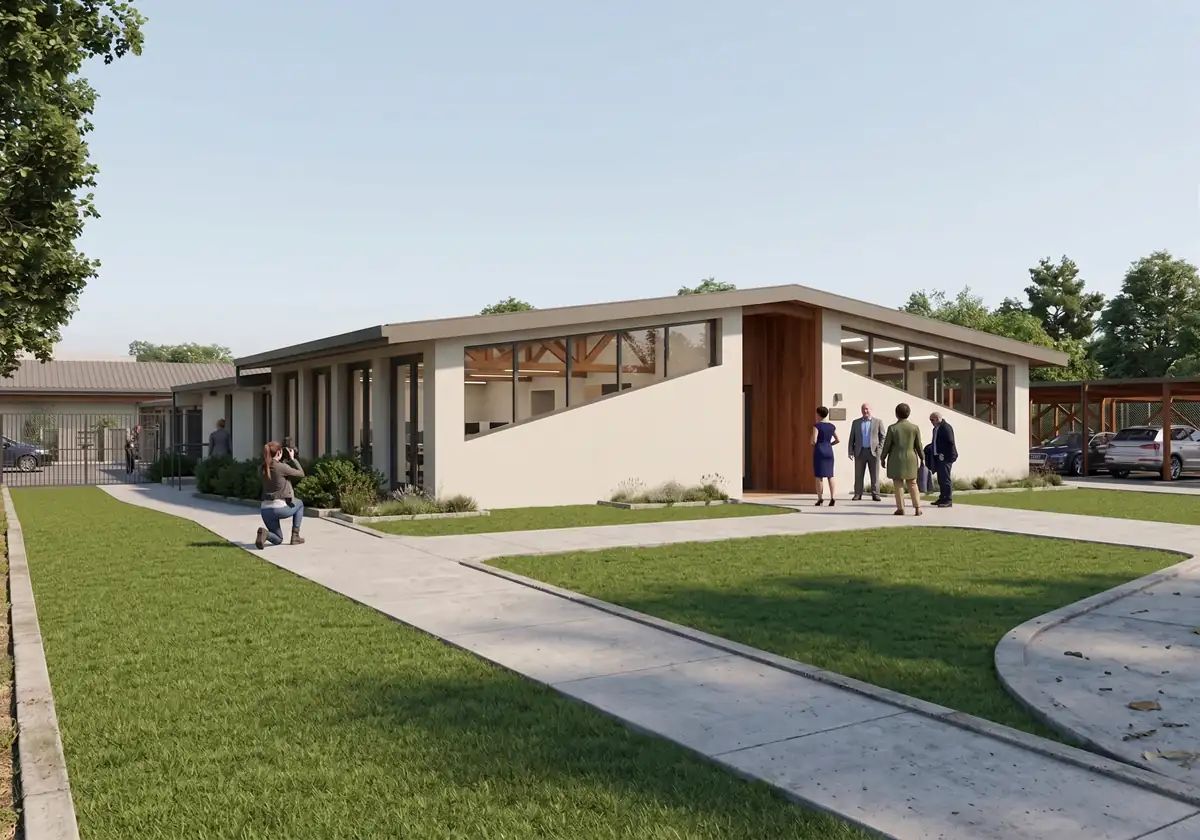
The intervention, with an investment of 850,000 euros and a seven-month timeframe, will completely transform the building. The project includes a classroom for research and the historical archive, spaces for workshops and training, and technical areas linked to the nursery itself. The objective is clear: to open this corner to the public and give it an educational and participatory use.
The refurbishment will be comprehensive. Non-structural elements will be removed and the design will rely on recyclable materials, such as wood and straw panels, together with modern insulation solutions. The facilities will also be completely renewed to meet current efficiency standards.
Sustainability is one of the project’s pillars. The building will incorporate rainwater reuse systems, ventilation with heat recovery and air-quality sensors. Climate control will be supported by efficient technology such as aerothermal energy, with underfloor heating to improve comfort. In addition, the entire space will be accessible.
This action is part of a broader strategy to strengthen the city’s green areas. Since 2019, Madrid has promoted more than one hundred interventions in parks, seeking not only to improve their condition but also to expand their uses.
The Vivero de Estufas, founded in 1889, is one of the least visible but most important spaces in El Retiro. Thousands of plants are grown there every year, and educational and experimental projects are developed.
The transformation of this building changes its relationship with the park: from an enclosed, functional space to an open place where people can learn and participate. Initiatives of this kind turn green areas into more than places to pass through, integrating them into everyday life and into the way the city understands its sustainable future.