
News
A family with a child under four is evicted in Puente de Vallecas
The eviction of a family in Puente de Vallecas once again put pressure on neighbourhood life this Tuesday. Adolfo, his daughter and his four-year-old grandson had to leave their home after several postponed attempts, despite the mobilisation of neighbours and activists.
The family had already secured a final extension the previous week, but the procedure was ultimately carried out. For those who came to support them, the scene sums up a reality repeated in Madrid: vulnerable families losing their home without a stable alternative and with underage children caught up in the process.
The neighbourhood response came hours later. Dozens of members and supporters of the Platform for People Affected by Mortgages locked themselves inside a CaixaBank branch on Avenida de la Albufera to demand a housing solution.
The protest was watched by a large police deployment. The PAH demanded social rent that would allow the family to remain in its surroundings, close to its support networks, the child’s school and the resources that form part of its daily life.
While a way out is sought, Adolfo and his family will spend the night at a volunteer’s home. Social services offered temporary accommodation at the municipal Las Caracolas shelter, an option activists consider insufficient for a family with a young child and specific needs.
According to the PAH, the child has a cognitive disability and has already experienced several eviction attempts despite their young age. The organisation insists that a temporary solution does not solve the underlying problem, especially where there is schooling, care and roots in the neighbourhood.
The property belongs to BuildingCenter, a real-estate company linked to CaixaBank. Activists say they have spent months trying to negotiate social rent and that the case had been considered, but no agreement was finally reached to prevent the eviction.
Tension increased during the execution of the procedure. The PAH alleges that the family was barely able to collect its belongings and maintains that the eviction was carried out without waiting for a pending appeal to be decided. The platform speaks of “institutional mistreatment” and calls for greater protection for households in vulnerable situations.
The case is not isolated for the housing movement. The PAH says it has other cases open with BuildingCenter and asks CaixaBank for greater social responsibility, especially in situations affecting families with children, dependent people or people with limited resources.
Many of these conflicts stem from mortgage foreclosures, rental contracts that have not been renewed or processes that drag on for months until households are left with no real room for manoeuvre. At that point, the difference between an extension and a stable alternative can completely change a family’s life.
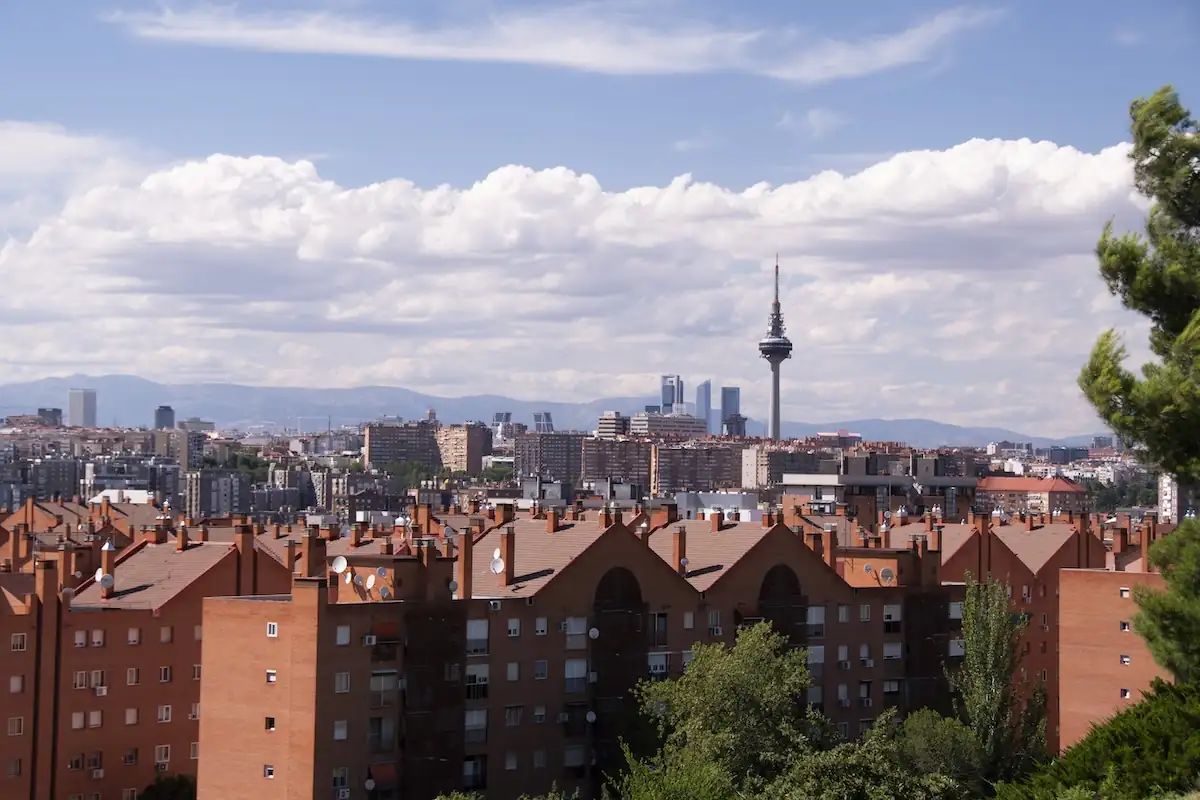
Puente de Vallecas once again appears as one of the areas where the housing crisis is felt most strongly. Its streets combine highly active neighbourhood networks, families with deep roots and property pressure that makes it increasingly difficult to find affordable rents.
The eviction of Adolfo, his daughter and his grandson does not end with leaving the home. It continues in the search for social rent, in the protest outside a bank and in a question running through many Madrid neighbourhoods: what happens when losing a home also means losing stability, care and community.