
News
A Catalan university student claims more than €9,000 over the daily chaos on Rodalies
What has become part of the daily routine for many Rodalies users—delays, cancellations and lack of information—ended up becoming a health problem for David Pujol. This 19-year-old mathematics student from Pineda de Mar has claimed €9,211.35 from the Ministry of Transport and the Generalitat for the harm he says he suffered after using Catalonia's rail network to get to class for more than a year.
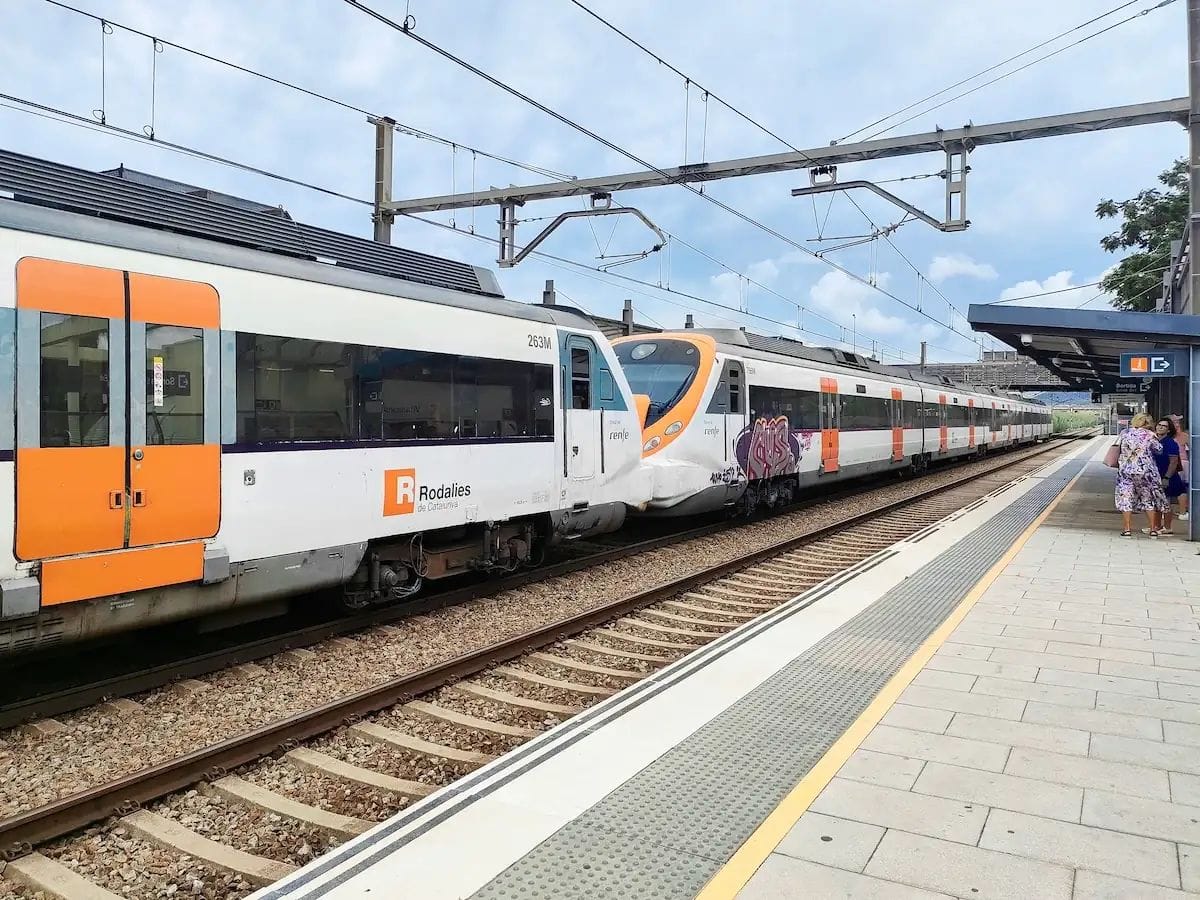
Every morning he had to combine the R1 and R7 lines to get to the Universitat Autònoma de Barcelona. On paper, the journey took around two hours, but constant incidents disrupted any plan. On some days, getting to university took him up to five hours between delays, cancelled trains and improvised changes.
Over time, the strain ceased to be merely academic. David, diagnosed with obsessive-compulsive disorder, explains that the constant uncertainty caused him anxiety attacks, insomnia and physical problems related to stress. The feeling of not knowing whether he would get to exams or even home on time also ended up affecting his diet and concentration.
The situation eventually pushed him to move to Cerdanyola del Vallès to live closer to the university. In his claim, he considers that change not a free decision but a direct consequence of the service’s poor functioning. He therefore seeks compensation that includes psychological harm, educational detriment and the personal and financial impact of the move.
Before starting the process, he filed numerous complaints with Renfe and various public bodies, but says he never received concrete answers. He is now prepared to take the matter to court if the administration does not respond within the prescribed period. The case could become one of the first in Spain to attempt to directly link deficiencies in public transport with personal harm and mental-health damage.
Meanwhile, platforms such as Dignitat a les Vies and Promoció del Transport Públic continue to denounce that incidents on Rodalies already affect major life decisions: where to study, where to work or even where to live. In Catalonia, for thousands of people, the train is not an occasional alternative but the only possible way to maintain their daily routine.