
News
A six-metre Siberian mammoth becomes CosmoCaixa's new resident
Barcelona's CosmoCaixa welcomes a new and monumental resident: a real Siberian mammoth skeleton, six metres long and three and a half metres high, which lived on Russia's frozen steppes between 40,000 and 50,000 years ago.
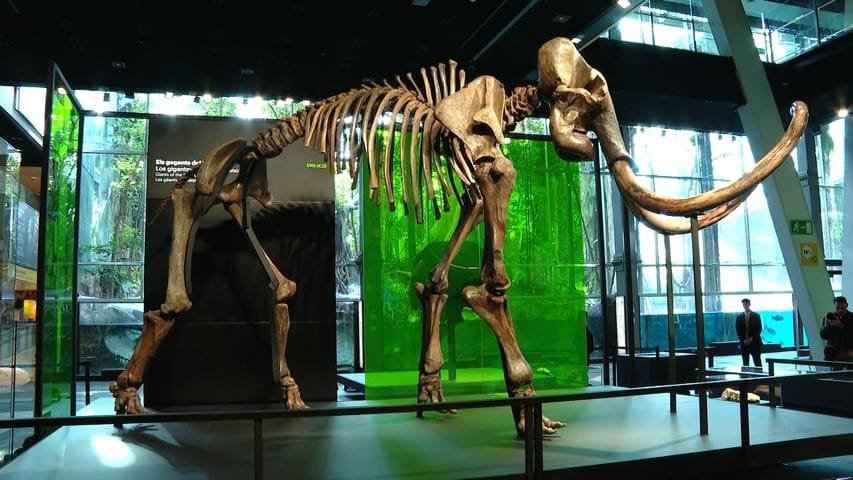
This exceptional piece becomes part of the museum's permanent exhibition, joining the Evolution section opposite the Bosc Inundat as one of the space's major emblems.
An undisputed symbol of the Ice Age, this fossil invites visitors to travel back in time and discover how these herd-dwelling mammals lived, capable of consuming up to 180 kilos of grass a day and with a gestation period of 22 months. It also invites reflection on the Earth's great extinctions, and especially on the mystery surrounding the disappearance of mammoths: was it a consequence of human activity or climate change?
Known as a woolly mammoth, this specimen represents one of the most studied species, thanks to fossil remains and mummies preserved in permafrost, which have made it possible to decipher its DNA and its way of life.
After touring several CaixaForum venues in Spain and welcoming more than 300,000 visitors, the mammoth is finally arriving in Barcelona to stay. A majestic presence that recalls, bone by bone, the power of time and the fragility of life on Earth.