
News
One million euros to design vehicles that cross the brain barrier
Lafora disease affects adolescents and still has no cure. A team with scientists from IQS, IBEC and USC will design nanoparticles capable of transporting treatments to the brain. The research is receiving nearly one million euros.
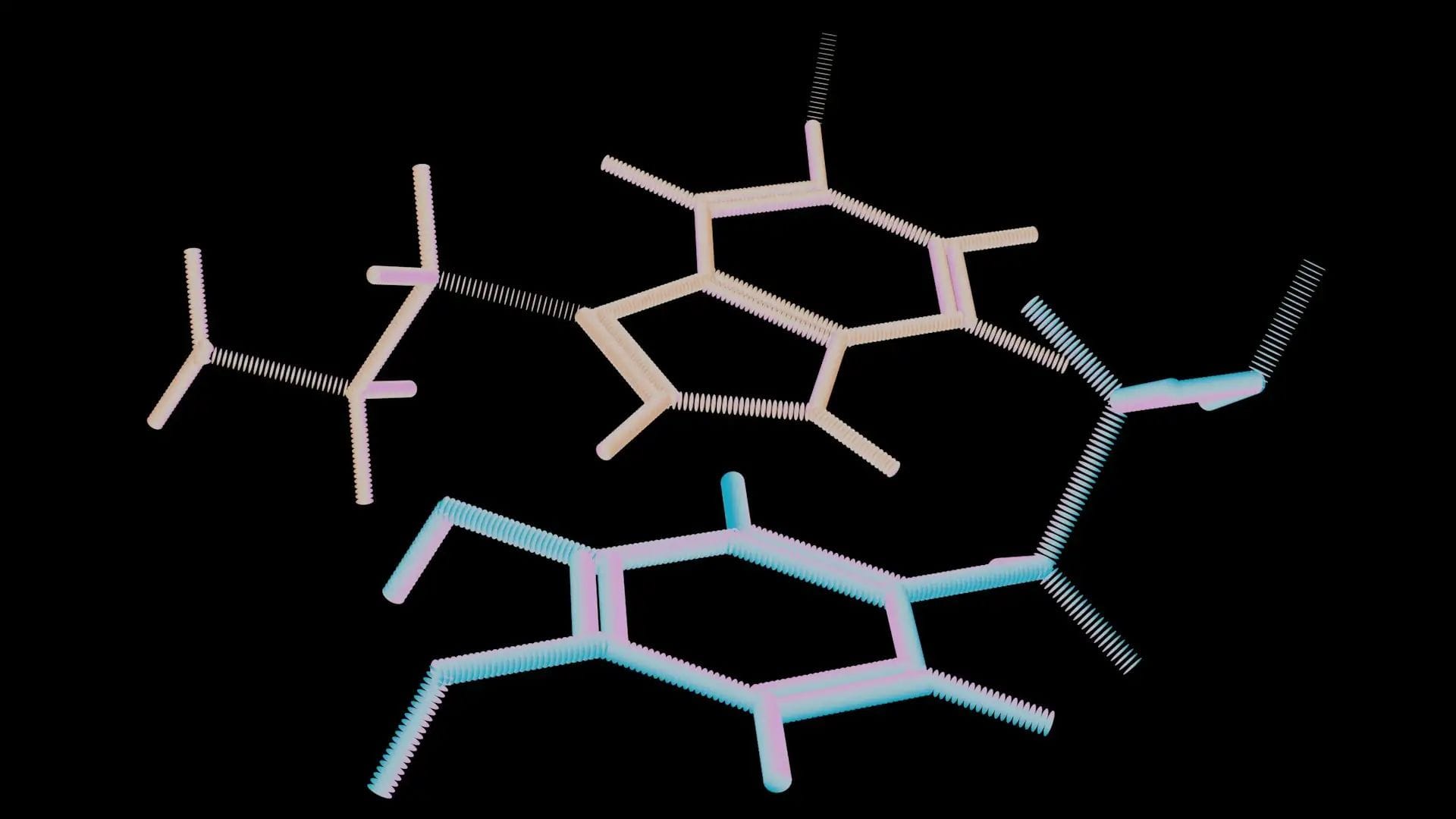
The project will investigate nanoparticles to deliver treatments to the brain, with an initial focus on Lafora disease.
Lafora disease is a serious and extremely rare condition; it affects teenagers and currently has no cure. The research team aims to design a therapy that can treat the disease directly in the brain, where drugs encounter a protective barrier that is difficult to cross.
The research has received nearly one million euros and is one of 80 projects awarded by Fundació La Caixa. Altogether, the organisation has allocated 32.4 million euros to biomedicine and health projects.
A transporter to cross the brain barrier
The proposal is to create nanoparticles that carry therapeutic material to brain cells. The active ingredient would be inside; the outer coating would need to interact in a specific way with the blood-brain barrier to cross it.
Dr Cristina Fornaguera, lead researcher of the nanotherapy group at IQS (Universitat Ramon Llull), explains that this barrier keeps the brain separated from the rest of the body to protect it from potential external pathogens. The nanoparticles will also need to enter brain cells and release the treatment there.
Lafora disease will be the first target
Dr Jordi Duran, lead researcher at IQS (URL) and associate researcher at IBEC, notes that people affected progressively lose neurological functions. According to him, the disease can lead to death within 5–10 years.
The team has already identified mechanisms that fail in the disease. Now they want to design a therapy based on these mechanisms to cure it or, at least, stop or slow its progression.
The research will start with Lafora, although the knowledge gained could be applied to other neurological diseases, such as Alzheimer’s. The vehicle’s cargo would change depending on the target: it could contain a drug or a gene therapy.
A team with various specialities
The project brings together specialists in nanomedicine and neuroscience. Artificial intelligence completes the approach. Scientists from IQS (URL) and IBEC are involved; USC is also part of the team.
In another technological field, DondeGo has also explained Protecció Civil’s proposal to soften ES-Alert notifications.