
News
A people-focused urban model earns Tòquio the Smart City award
Raquel Gil argued that urban innovation should meet people's needs. Tòquio won the main award and Bogotà received the new category dedicated to housing.
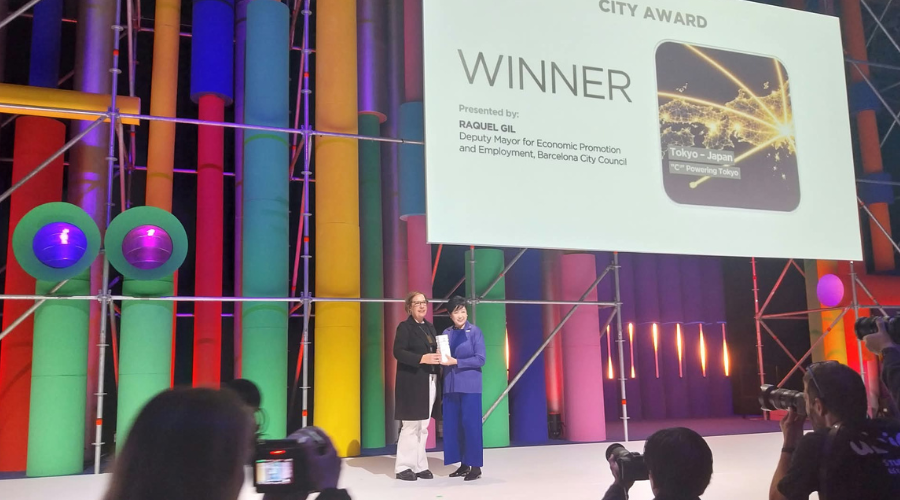
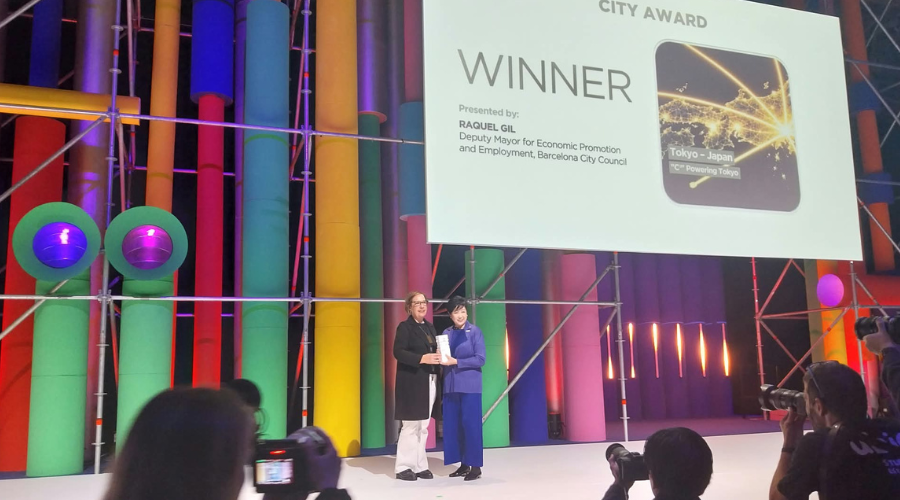
Tòquio is home to 14 million people, and its digital transformation model puts residents at the centre, including when incorporating artificial intelligence. This approach has earned the city the Smart City 2026 award.
Technology at the service of urban life
The winning project is called “C³ Powering Tokyo” and is led by Bureau of Digital Services. Its urban model is based on citizens, communities, and collaboration. The proposal seeks to be adopted by other cities around the world.
Yuriko Koike accepted the award as governor of Tòquio. The city is thus pursuing a digital transformation that maintains the scale of a megacity without losing quality of life.
Housing included for the first time
The 2026 edition has introduced Housing, a category dedicated to housing within the first HOWS Barcelona. The award went to Bogotà, Colòmbia, for “Mi Casa en Bogotá”, a project by the Bogota District Secretariat of Habitat.
The initiative combines affordable housing and neighbourhood renewal; it also incorporates mobility. Jordi Valls, deputy mayor, presented the award.
Raquel Gil, deputy mayor for Promoción Económica y Trabajo, took part in the World Smart City Awards 2026 ceremony. She argued that these awards recognise cities that provide coherent solutions and put people at the centre. She also highlighted the new category: for Barcelona and many other cities, she said, housing is the challenge of our time and the right to stay is at stake when people cannot afford to live in a smart city.
Gil thanked the winners and finalists for putting innovation at the service of urban challenges. She also emphasised that cities are places where solutions are born, tested, and shared with the world.
Barcelona brings together projects from more than 68 countries
The awards received 533 proposals from 68 countries. The ceremony is part of the agenda of the Smart City Expo World Congress Barcelona, which brings together more than 1,100 exhibitors representing 1,000 cities and over 600 speakers. The congress is being held in Barcelona until 5 November.
Artificial intelligence applied to the city also has a local aspect in the trial of AI-powered traffic lights announced for Barcelona.
The City Council is participating in the congress with a stand presenting 70 current and future services and projects. These are organised into seven hubs: smart mobility, housing, innovation at the service of people, simulate and decide, security, public space and urban innovation, and climate challenges.