
News
A new cultural centre will transform Peironcely 10 and open up opportunities for young people
Madrid will gain a pioneering cultural space in 2028. The Centro Robert Capa will offer workshops and activities for young people at risk of exclusion. The iconic building at Peironcely 10 is being brought back to life, preserving its memory.
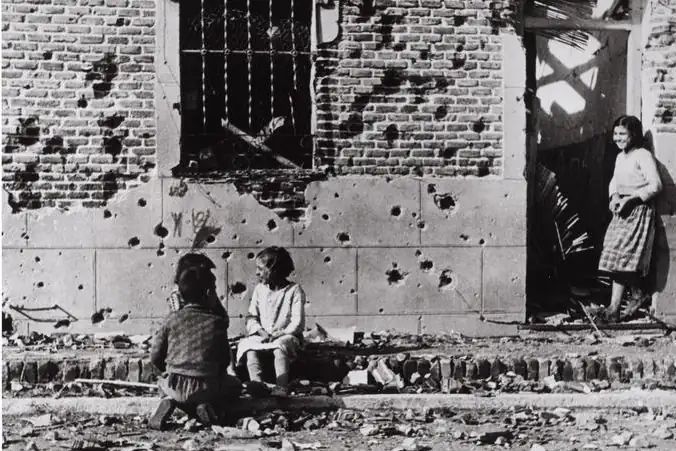
Life in the south of Madrid is about to gain a new meeting point. The building at Calle Peironcely, 10, known for the iconic photograph by Robert Capa during the Guerra Civil, is set to become a cultural centre designed for those who need it most: children and young people at risk of social exclusion. The City Council plans to open the doors of this space in 2028, focusing on creativity and integration in a neighbourhood that knows well the value of coexistence.
The future Centro de Experimentación Cultural Robert Capa will not only be a tribute to the photojournalist, but a place where culture is lived and shared. The programme, coordinated by the Fundación José María de Llanos, will include painting, modelling, theatre, dance, and music workshops. There will also be literature courses, from novels to film scripts, and an open space for small exhibitions and meetings with artists. Everything is designed so that young people can find new ways to express themselves and connect with their surroundings.
The project also includes the preservation of one of the building’s original flats, as a testament to local history and the mark left by Capa y Gerda Taro in the memory of Madrid. The renovation will exceed one million euros, an investment aimed at restoring Peironcely 10’s role as a symbol of resistance and creativity in the urban fabric.
The arrival of this cultural centre is a boost for the area and a real opportunity for those seeking leisure and educational alternatives outside the usual circuits. Madrid is already moving in this direction, focusing on spaces that enrich and transform the daily life of its neighbourhoods.
Peironcely 10 is much more than an address on the map. The building, marked by the famous image of the children during the war, has for decades reflected the social and urban evolution of the district. Its transformation into a cultural centre not only preserves memory, but projects it into the future, bringing new generations into the living history of Madrid.