
News
A new €25 voucher for young Catalans will revolutionise the purchase of sanitary pads and condoms in 2026
In 2026, thousands of young people in Catalonia will be able to access direct aid for menstrual hygiene products and condoms. The Parliament is debating a budget that includes these vouchers. The measure seeks to ease expenses and promote sexual health.
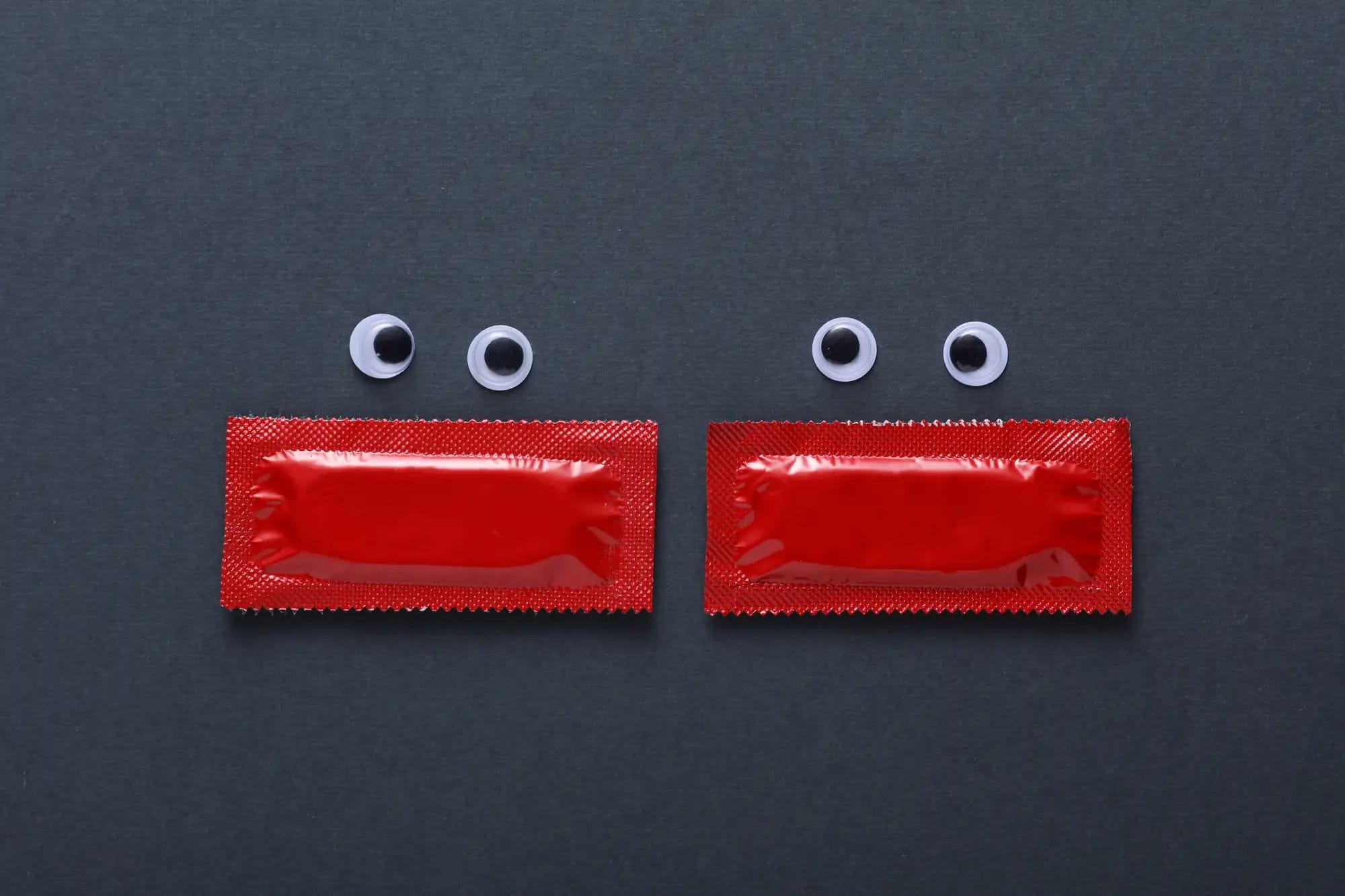
In 2026, thousands of young people in Catalonia will be able to access direct assistance for menstrual hygiene products and condoms. The Parlament is debating a budget that includes these vouchers. The measure seeks to ease costs and promote sexual health.
The lives of thousands of young people in Catalonia could change from 2026 if the Parlament gives the green light to the new budgets. Among the most discussed new measures is the arrival of two €25 vouchers: one intended for purchasing menstrual hygiene products and the other for buying condoms in pharmacies and specialist shops.
The menstrual-hygiene voucher is intended for girls and people who menstruate aged between 12 and 25. The aim is to ease the monthly cost of menstruation, allowing any product to be chosen, without being limited to reusable options. This flexibility responds to a growing demand for freedom of choice and universal access.
For its part, the condom voucher will be given to young people aged 16 to 25. The intention is clear: to curb the rise in sexually transmitted infections by facilitating free access to barrier methods and strengthening sex education. The total budget for both forms of assistance amounts to €25 million, a figure that reflects the commitment to young people's health and wellbeing.
These measures add to other social initiatives that the Govern and the Comuns have put on the table, such as the expansion of school-meal grants for vulnerable families and stronger rental assistance. In addition, significant investment is planned to improve reading comprehension in educational centres.
However, the budget agreement has not yet been finalised. The Comuns make their final support conditional on the approval of a law limiting the speculative purchase of housing and on improvements in mobility. They also demand a review of the plan that pressures primary-care doctors to reduce sick leave.
In this context, negotiations remain open and the outcome will set the direction of social policies in Catalonia over the coming years.
The provision of vouchers for hygiene products and condoms forms part of a European trend of facilitating access to essential goods for young people. In recent years, several regions have promoted similar initiatives, although few have committed to universality and freedom of choice as in this case. The debate on menstrual and sexual health has gained weight on the public agenda, reflecting greater sensitivity to young people's real needs and the importance of removing economic barriers to access to basic products.