
News
A Spanish olive tree travels to the Arctic to safeguard humanity's future
An olive tree grown in Spain will be sent to the world's most secure seed vault. The aim: to preserve its legacy in the face of any global catastrophe. The scientific expedition sets off this month. The project seeks to ensure food security in the future.
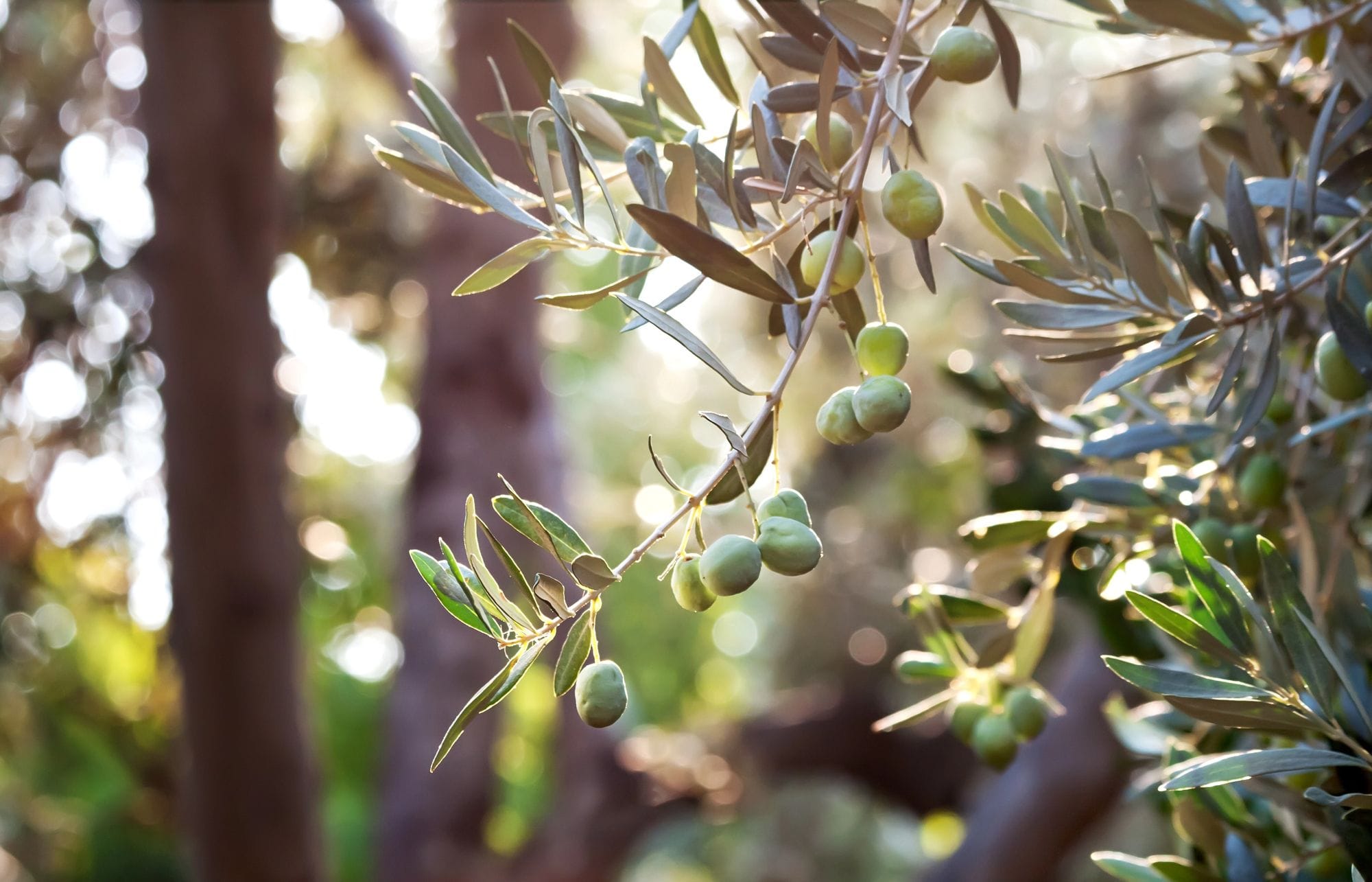
An olive tree grown in Spain will be sent to the world’s safest seed store. The aim is to preserve its legacy against any global catastrophe. The scientific expedition leaves this month. The project seeks to guarantee food in the future.
At a time when food security concerns many families in Barcelona, a Spanish olive tree is preparing for an unusual journey: its seeds will be deposited in the frozen heart of the Arctic. The expedition, led by Spanish scientists, aims to protect this Mediterranean symbol against any global threat.
On 25 February, the first olive seeds will leave for Svalbard island in Norway. There, 130 metres underground and surrounded by permanent ice, is the planet’s safest seed store. Its one-metre-thick concrete walls are designed to withstand earthquakes and even nuclear attacks.
Inside, the temperature remains constant at −18°C. This extreme environment makes it possible to preserve more than 1.38 million seeds from 6,500 plant species worldwide. The Spanish olive tree will thus join a collection that could be key to feeding humanity if a global catastrophe ever occurs.
The initiative, promoted by the Norwegian government since 2008, seeks to ensure that, whatever happens, reserves of the plants most essential to life always exist. For those of us living in cities such as Barcelona, where olive oil is part of culture and the daily diet, the gesture has special value: it ensures that Mediterranean agricultural heritage is not lost, even in the worst scenarios.
Svalbard’s seed store, known as the doomsday vault, is far more than a simple repository. Its remote location and design make it an almost impenetrable refuge for agricultural biodiversity. Seeds have been withdrawn only on rare occasions, always for reasons of force majeure. This international project reflects the importance of protecting the genetic heritage of crops, a task that gains meaning amid climate change and recurring food crises.