
News
A Catalan researcher analyses the impact of the Artemis II mission
Space exploration has entered a new phase after the Artemis II mission, which took a human crew 406,000 kilometres from Earth. This milestone marks a historic leap and puts the Moon back at the centre of scientific research.
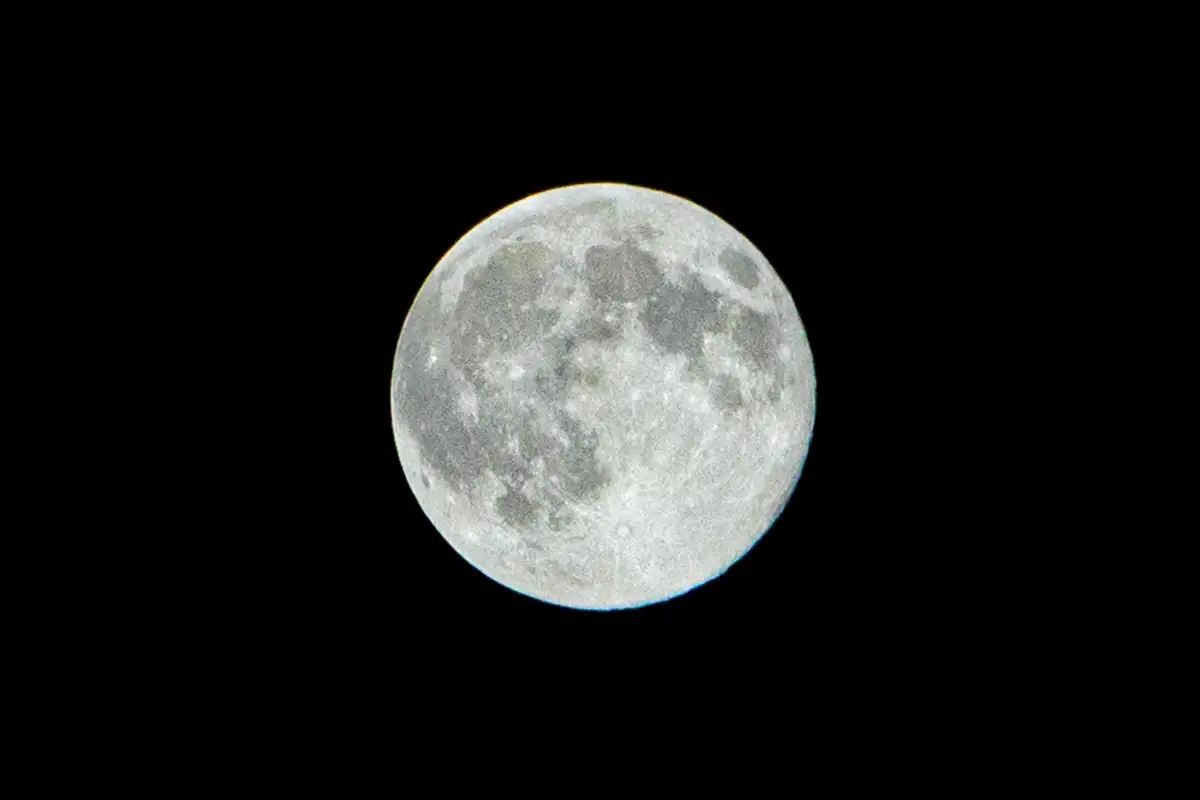
From Barcelona, the scientific community is closely following these advances. Researchers such as Marina Martínez take part in international teams preparing the analysis of future lunar samples, planned for the Artemis III mission.
One of the most relevant aspects of Artemis II is the direct observation of the far side of the Moon. Human presence has made it possible to identify nuances on the surface that automated systems do not always detect, opening new lines of research.
The data obtained reveal mineral compositions unknown until now. This information can help us better understand the formation of the solar system and provide clues about the origin of life on Earth.
The Moon remains key to the planet's equilibrium. Its influence on tides and on the stability of the Earth's axis makes it an essential object of study. Analysing new samples will make it possible to delve into processes that cannot be observed in our immediate environment.
The next major step will come with Artemis III, which seeks to return humans to the lunar surface. The results of that mission could redefine what we know about our satellite and open a new stage in space exploration.
Barcelona, connected to this research through its scientific community, is closely watching a moment that could change the way we understand our place in the universe.