
News
A giant electric vehicle charging station will transform Castellana and mobility in Madrid
The largest public electric vehicle charging station on the M-30 will open in 2027. Renewable energy, ultra-fast charging and innovative design. It will change the routine of those travelling around northern Madrid.
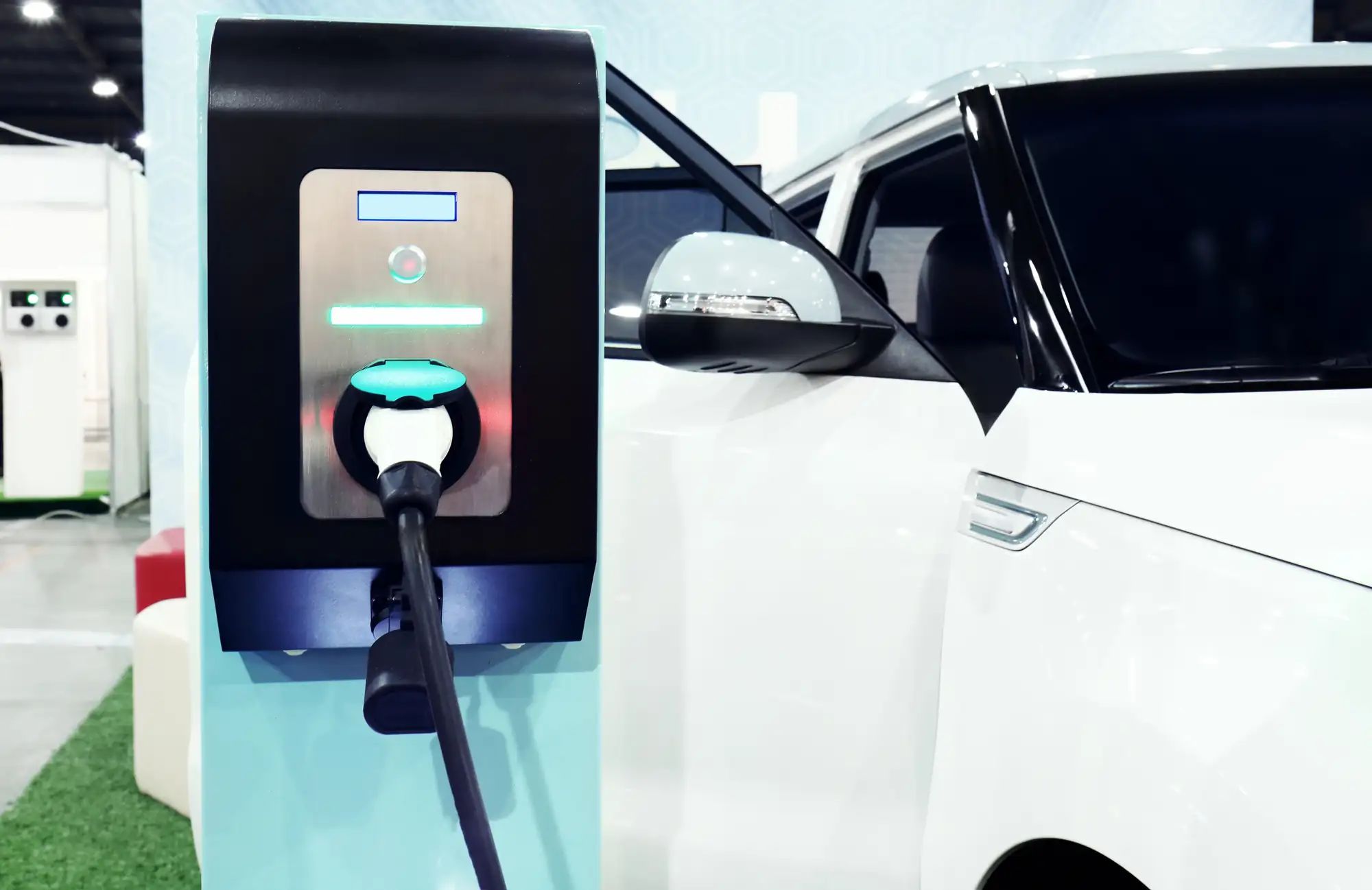
The northern end of Castellana is preparing for a change that will affect thousands of Madrid residents every week. In 2027, very close to the future Parque Castellana, the largest public electric vehicle charging station inside the M-30 will open. It will be more than a charging station: it will be a key point for people who live, work or pass through the area, especially those who have already chosen an electric car or are considering doing so.
The facility will occupy a 1,281-square-metre plot at number 276 Paseo de la Castellana, precisely where the urban landscape is currently undergoing a full transformation. The Comunidad de Madrid has awarded the project to Acciona, which will equip the charging station with 4,000 kilowatts of power and 20 ultra-fast charging points, most for cars and one specifically for heavy vehicles. There will also be an area for swapping motorcycle and light-vehicle batteries, something that has scarcely been seen in the city until now.
Technology will take centre stage: next-generation connectors, cooled cables, centralised power modules and advanced energy management. The station will incorporate second-life batteries and semi-transparent solar panels, which will make it possible not only to self-consume but also to generate an annual surplus of clean energy. The façade will also have a photocatalytic coating capable of purifying the air and removing pollutants in real time.
The architectural design will seek to blend into the surroundings, which are changing at great speed. The charging station will stand next to the tunnel being built opposite the towers at the northern end of Castellana, in an area that will soon gain a new urban park with walking areas, children's play areas, calisthenics and more than a thousand trees. Everything is designed for electric mobility to coexist with leisure and day-to-day neighbourhood life.
The Comunidad de Madrid insists that the new infrastructure will be modern, efficient and environmentally friendly. The region already leads electric mobility in Spain, with more than 37,000 subsidised vehicles and 32,000 charging points, and accounts for a significant share of national aid. Madrid is already beginning to move in that direction.
The surroundings of Paseo de la Castellana, especially its northern stretch, have become a laboratory for urban transformation. Major infrastructure, expanding green areas and new spaces for sustainable mobility come together here. Its proximity to the business district and the future Chamartín intermodal station reinforces its strategic role. For those who live or work in the area, these changes translate into new options for getting around, resting or simply enjoying a Madrid that never stops reinventing itself.