
News
Casa de América shows Latino life in the US with nearly 300 photographs
This summer, Casa de América proposes a journey through the everyday history of Hispanic communities in the United States. The exhibition “American Latinos 1935-1945” brings together nearly 300 original portraits and can be visited free of charge until the end of September.
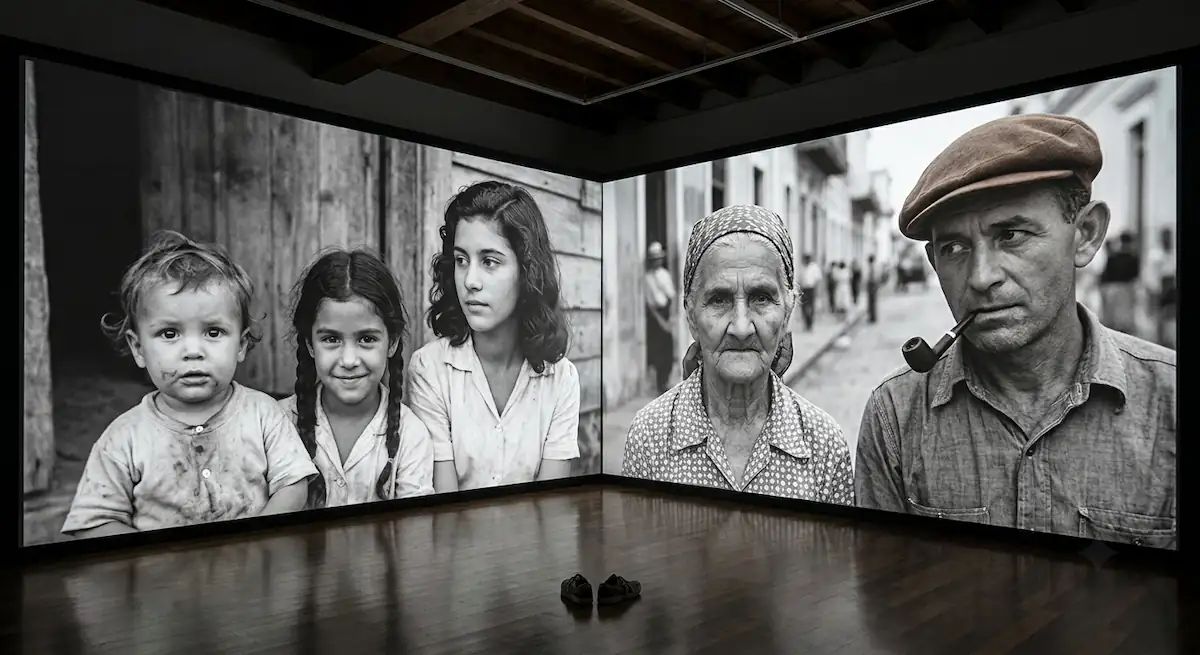
The exhibition traces a decade marked by migration, rural work and family life in different parts of the country. The images show Spanish families in New Mexico, Mexican farmers in California, Canary Island communities in Louisiana, Puerto Rican farm workers and Basque shepherds in Idaho and Nevada.
The tour is built from holdings preserved at the Library of Congress of the United States. The authors include key figures in documentary photography, such as Dorothea Lange, Jack Delano, Russell Lee, John Collier Jr., Marion Post Wolcott and Arthur Rothstein.
The exhibition is curated by filmmaker Alberto Ferreras and combines images, music and narration. The result moves away from a purely historical view and makes it possible to get closer to the people portrayed, their work, their homes and their ways of maintaining their identity far from their places of origin.
The exhibition arrives in Madrid after appearing in New York and Lisbon. Its presentation in the capital coincides with the 250th anniversary of the establishment of the United States and focuses on a part of its history that rarely takes centre stage in the narrative.
“American Latinos 1935-1945” is at the Galería Casa de América-ABANCA, inside Sala Frida Kahlo B. It can be visited until 30 September, Monday to Friday between 11:00 and 19:30, and Saturdays from 11:00 to 15:00.
Admission is free until capacity is reached, making the exhibition an accessible plan for those spending the summer in Madrid. Its central location makes it possible to combine the visit with a walk around Cibeles, El Retiro or the Recoletos axis.
The scene leaves faces, trades and landscapes that broaden the idea of what Latino means in the United States. For a few weeks, Casa de América turns these family stories into a direct look at a lesser-known part of the North American past.