
News
Greta Alfaro turns Matadero into a journey through the invisible
Matadero Madrid adds one of the most distinctive proposals of PHotoESPAÑA with Ofertorio, Greta Alfaro's first solo exhibition in the capital. The show takes over Nave 0, a former cold storage chamber, transforming this industrial space into a journey through sacrifice, the hidden, and what usually escapes notice.
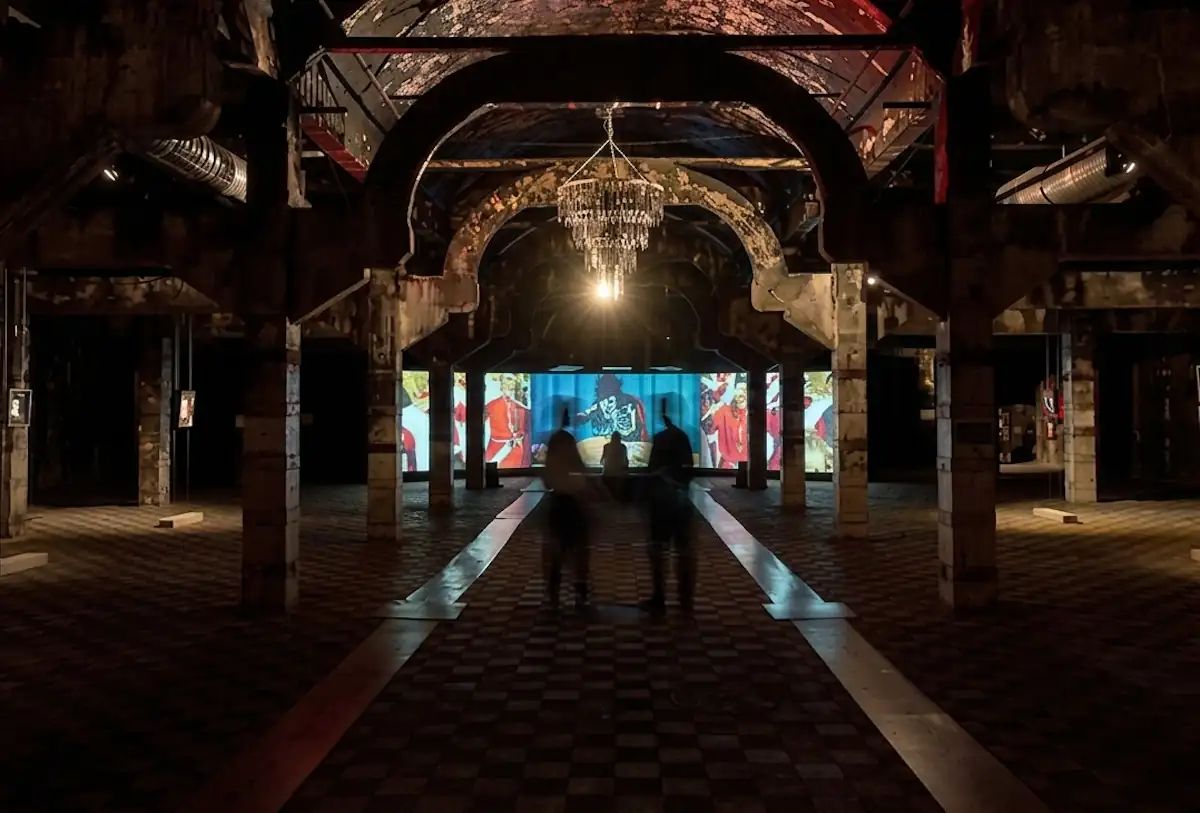
The exhibition can be visited free of charge until 31 July. For those looking for a different cultural plan in Madrid, the proposal offers more than a room with works: it uses the cold, underground architecture of the hall to create an almost ritual experience.
Greta Alfaro has designed the route as a kind of ceremony. The visitor moves through the central hall towards an apse that concentrates attention, while the sides function as small stops where videos, sculptures, photographic collages and historical objects expand the narrative.
Among the pieces is an 18th-century anatomical torso, which enters into dialogue with works created specifically for this space. The result is an exhibition that does not seek a quick reading, but an atmosphere of tension, silence and strangeness.
Ofertorio forms part of the programme of PHotoESPAÑA, which this year brings together nearly one hundred exhibitions across Madrid. The exhibition’s presence at Matadero fits with an edition that looks towards new visual languages and less conventional ways of understanding the image.
Opening hours allow visits from Tuesday to Thursday from 17:00 to 21:00, and from Friday to Sunday and on public holidays from 12:00 to 21:00, always subject to capacity being reached. Free admission makes it an accessible option for approaching the festival without needing to buy a ticket or set aside a large block of time.
Matadero has spent years using its industrial spaces as an active part of exhibitions. In the case of Nave 0, the memory of its former use as a refrigeration facility does not function as mere scenery: it shapes the emotional temperature of the route and reinforces the feeling of entering a place apart from the city.
Ofertorio offers a different cultural stop within the summer programme. It is not an exhibition designed to be passed by, but to slow down, look carefully and let a space that is normally invisible become part of the work.