
News
Madrid will open museums and cultural spaces free of charge throughout the night
Madrid is preparing for an unusual night even for a city used to staying up late. On Saturday, 6 June, fifteen museums and cultural spaces will open free of charge and extend their hours until the early hours in a special edition of the so-called ‘Noche en Blanco y Amarillo’, prompted by Pope Leo XIV’s visit to the capital.
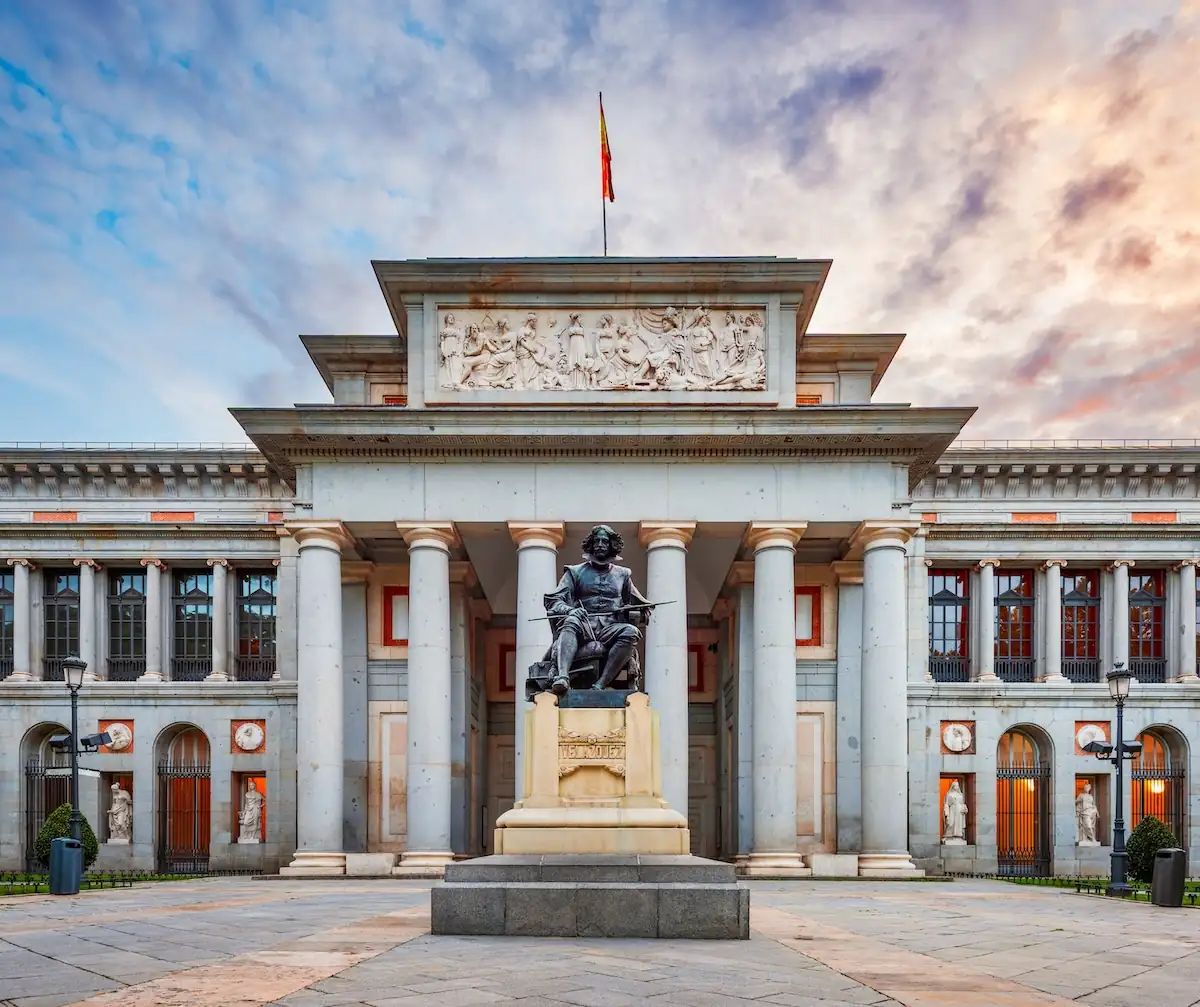
The initiative will transform central Madrid for hours. Museums normally associated with daytime tourism or quick visits will become part of a night-time route mixing art, music, heritage and urban life. The Prado will remain open until 00:30, the Reina Sofía until 23:30, and spaces such as the Real Academia de Bellas Artes de San Fernando until two in the morning.
Places closely tied to the city’s cultural pulse will also take part, such as the Thyssen-Bornemisza, CaixaForum, Espacio Fundación Telefónica and the Galería de las Colecciones Reales. The Templo de Debod and the Museo de San Isidro will also join a programme designed to attract both people from Madrid and visitors who want to experience the city differently over a whole night.
Beyond the exhibitions, the programme will include concerts, dance and special activities spread across different points of the centre. The Teatros del Canal will extend activity until five in the morning with live-music sessions and DJs, while several historic parishes will exceptionally open their doors throughout the night.
The proposal also arrives at a time when Madrid seeks to reinforce its image as an international cultural capital able to combine major events, heritage and nightlife. The papal visit works here not only as a religious or institutional event, but also as the trigger for a programme that will alter the usual routine of neighbourhoods such as Centro, Sol, Justicia and Palacio.
The city has already had similar experiences with previous editions of the Noche en Blanco, but this version incorporates a different symbolic component. The mixture of culture, spirituality and night-time activity turns the night of 6 June into a kind of great urban route in which museums, squares and streets will share the spotlight until well into the early hours.
Madrid has spent years using culture as a way to activate public space and change people’s relationship with the city. Opening museums in the early hours, filling streets with activities and extending cultural life beyond usual timetables transforms the urban rhythm for a few hours and turns the centre into an enormous open space for rediscovering the capital.