
News
An Argentine teacher makes history on Pasapalabra with a multimillion-euro prize
A contestant breaks records on Spanish television. The prize exceeds two million euros. Spanish taxation drastically reduces the final amount. Emotion and surprise mark the outcome. An unexpected turn in the winner’s life.
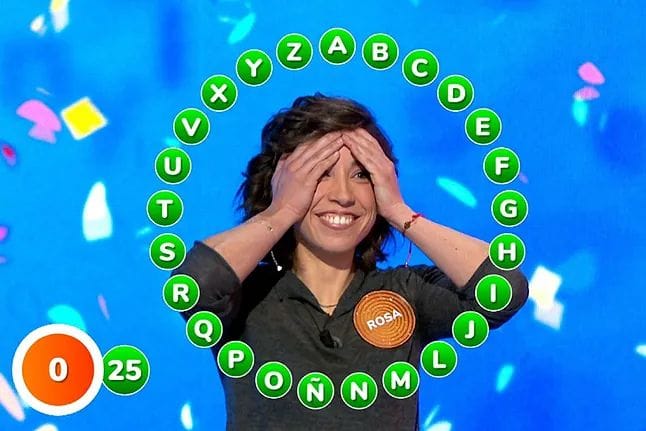
A contestant breaks records on Spanish television. The prize exceeds two million euros. Spanish taxation drastically reduces the final amount. Emotion and surprise mark the outcome. An unexpected turn in the winner’s life.
The news has shaken those who follow television quiz shows from Barcelona: an Argentine teacher of Spanish for foreigners has achieved the unthinkable on Pasapalabra, taking home the largest prize ever awarded on the programme. The figure, 2.7 million euros, has left viewers and rivals open-mouthed, especially after a nail-biting final resolved with only four seconds remaining.
The protagonist, Rósa Rodríguez, has beaten her opponent after 307 programmes of contests, a duel that has kept the audience on edge for months. Her reaction, in tears and with a trembling voice, was to ask her mother whether she had pizza in the freezer, as she took in the scale of the prize she had just won.
However, the initial joy is tempered by the reality of Spanish taxation. The programme’s production company will immediately withhold 19% of the prize for the Tax Agency, and the winner will then have to file an income tax return that will require her to hand over almost half the total amount to the national and regional tax authorities. Thus, of the €2,716,000, the net amount she will ultimately receive will be considerably lower.
This outcome not only marks a milestone in the history of television, but also brings the debate on the taxation of prizes in Spain to the fore, a matter that affects any citizen who dreams of changing their life overnight.
Pasapalabra has established itself as one of the most watched and longest-running quiz shows on Spanish television. Its format, based on knowledge and mental agility, has turned many of its contestants into genuine popular figures. The programme not only rewards general knowledge, but also creates intense emotional bonds between contestants and viewers, who follow each episode as though it were a championship final. The expectation aroused by every multi-million jackpot demonstrates the social impact that live television continues to have on the daily lives of thousands of people.