
News
A network of scammers leaves a Carabanchel resident without her flat after a covert sale
A Carabanchel resident lost her home after a scam targeting vulnerable elderly people. Police have dismantled the network. The case reveals new forms of deception in the city. Madrid is stepping up its response to these crimes.
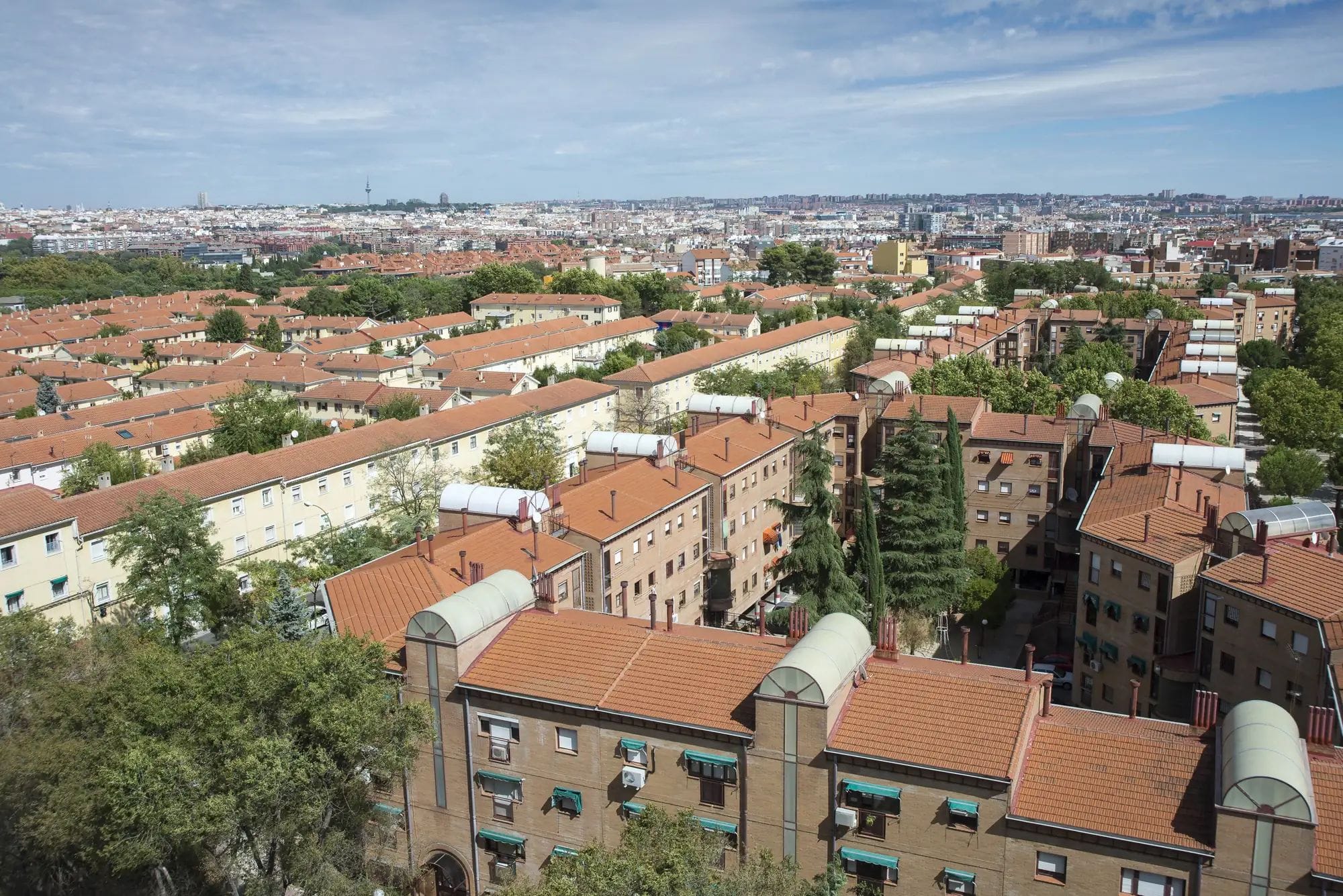
The blow came when she least expected it: the Policía Nacional (National Police) knocked on her door and confirmed what she already feared. Francisca, a resident of Carabanchel, had lost ownership of her flat after a series of deceptions that left her homeless and with her health even more affected. The police operation, with 30 people arrested and 57 victims identified, has exposed a network operating in Madrid that preyed on elderly and vulnerable people.
Francisca’s story began after a decade marked by cancer and depression. With no children or close family, after her mother’s death she sold the family flat and moved into a loft in Carabanchel, now valued at 300,000 euros. There, she tried to rebuild her life and open a physiotherapy practice, financing a German treatment table with monthly payments she never missed.
Everything changed when, just as she was about to finish paying off the table, she received an unexpected call. She was told she needed to buy more products due to a supposed continuity contract. With no previous experience in financed purchases, Francisca believed the story and agreed to a visit from a Club Natura salesperson. She signed new contracts and bought several devices she didn’t need, convinced by offers that seemed advantageous.
The scam was sophisticated. Another member of the network, posing as a factory worker, promised her better prices and, after gaining her trust, put her in touch with a fake law firm. They told her about the Ley de Segunda Oportunidad (Second Chance Law) and offered her a loan that, in reality, concealed the sale of the bare ownership of her flat for just 32,000 euros. Francisca went to the notary without knowing she was signing away her home. The notary never mentioned the word deed nor explained the real scope of the document.
After signing, the network transferred 2,000 euros to her and promised monthly payments of 1,000 euros. When Francisca tried to cancel the contract, they demanded 50,000 euros. The tone of the calls changed and the harassment began: they reminded her that what was signed before the notary was unchangeable and that she would not receive any more money if she didn’t cooperate. Anxiety and shame led her to isolate herself until, finally, she told her friends what had happened and sought medical help.
The outcome came when the police froze the network’s accounts and Francisca stopped receiving payments. They tried to pressure her to testify in favour of the network, but she went to the Jefatura Superior de Madrid (Madrid Police Headquarters) and identified all those involved. She is now awaiting a ruling that will return ownership of her home, while she is grateful for the support of the officers and the reduction in her medication thanks to the police intervention.
Carabanchel, one of the largest and most diverse neighbourhoods in Madrid, has in recent years seen how property pressure and the loneliness of many elderly people open the door to new forms of fraud. Recent police operations have focused on protecting the rights of the most vulnerable residents. The district’s social fabric, with its mix of tradition and change, remains key to detecting and stopping these abuses. Madrid is already starting to move in that direction.