
News
An organised network puts airlines on the spot with false lost luggage claims at Barajas
The Guardia Civil is investigating 22 people over a fraud exceeding 90,000 euros. The group used minors to remove suitcases and claim compensation. Madrid-Barajas airport is once again at the centre of the news.
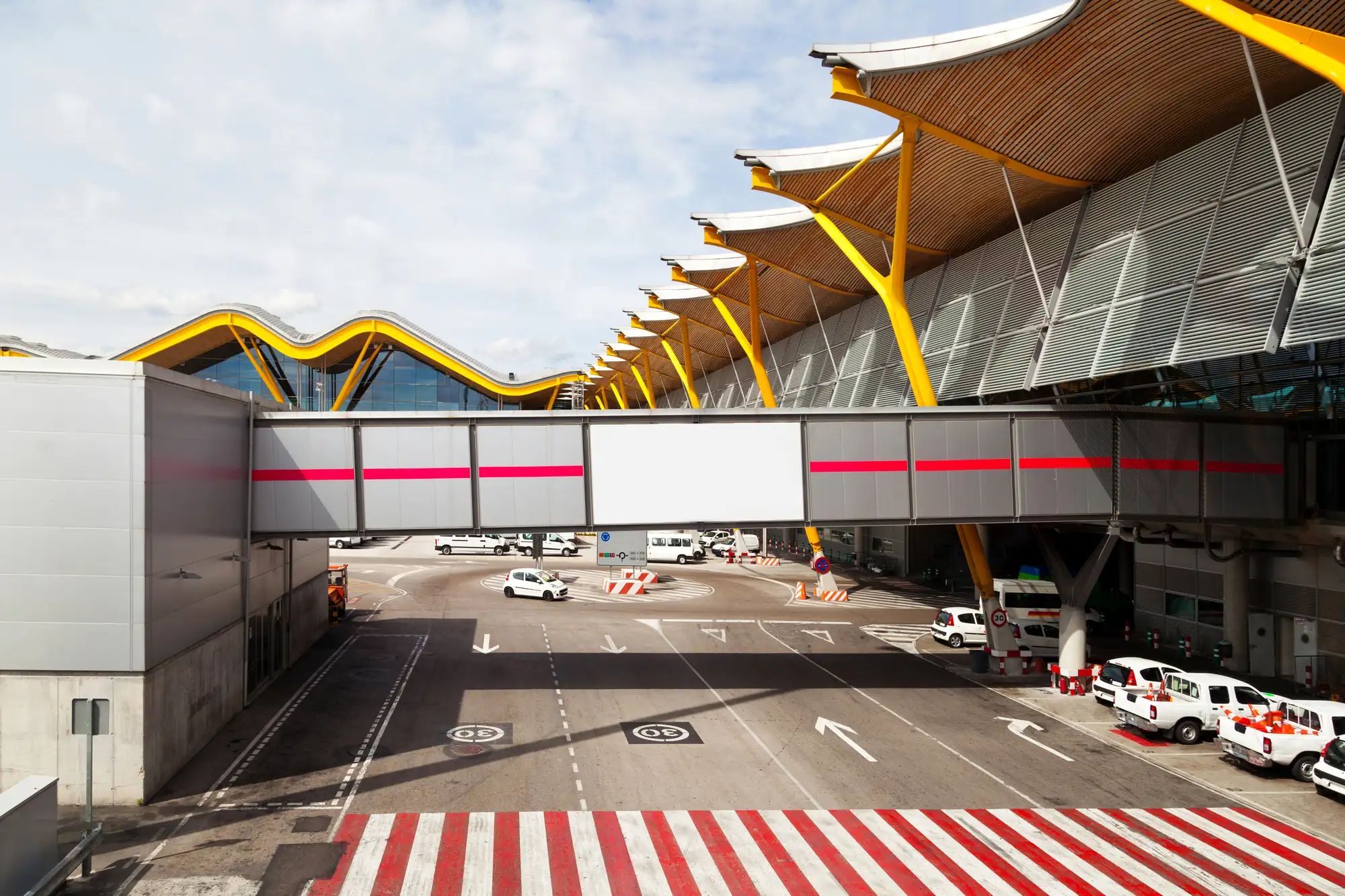
Adolfo Suárez Madrid-Barajas airport is once again in the spotlight, this time due to a scheme that managed to defraud several airlines of more than 90,000 euros. The Guardia Civil has dismantled a network that used false claims for lost luggage, a blow that directly affects airline operations and the trust of frequent travellers in Madrid.
The method was as simple as it was effective: minors would remove the suitcases from the airport, while an adult family member filed a claim at the counters, alleging that the luggage never arrived at its destination. The claims focused on domestic low-cost flights, where surveillance tends to be less strict and the high volume of passengers makes it easier to move suitcases without arousing suspicion.
The investigation began in May, when an airline detected up to 71 suspicious claims, all for amounts between 1,500 and 1,800 euros and sharing a common pattern: the same phone numbers and email addresses. Tracing this information allowed the Guardia Civil to confirm the modus operandi and link 22 people to the fraud.
The use of minors to carry out the most visible part of the plan adds a disturbing element to the story. While the adults handled the administrative side, the young people were responsible for physically moving the suitcases out of airport control. The result: dozens of compensation payments collected for luggage that was never actually lost.
This case is a reminder of how Madrid’s major transport hubs, such as Barajas, can become the scene of sophisticated crimes that affect both companies and users. The city has already experienced other changes to its transport infrastructure, such as the previously reported change to the single metro fare, and now it is once again adjusting to new threats.
Adolfo Suárez Madrid-Barajas airport is much more than just an entry and exit point for millions of travellers each year. Its size, the variety of routes, and constant activity make it a place where vigilance and logistics are tested daily. Security checks, coordination between police forces, and baggage tracking technology are key to preventing fraud and maintaining the trust of those flying to and from the capital. Madrid is already moving in that direction, increasing attention on the critical points of its urban mobility.