
News
Emergency departments detect thousands of undiagnosed VIH cases
During the first half of 2026, 255 people who were unaware they had VIH were diagnosed. From 2021 to June 2025, the programme recorded 3,262 positive cases and estimates that early detection may have prevented up to 13,048 infections.
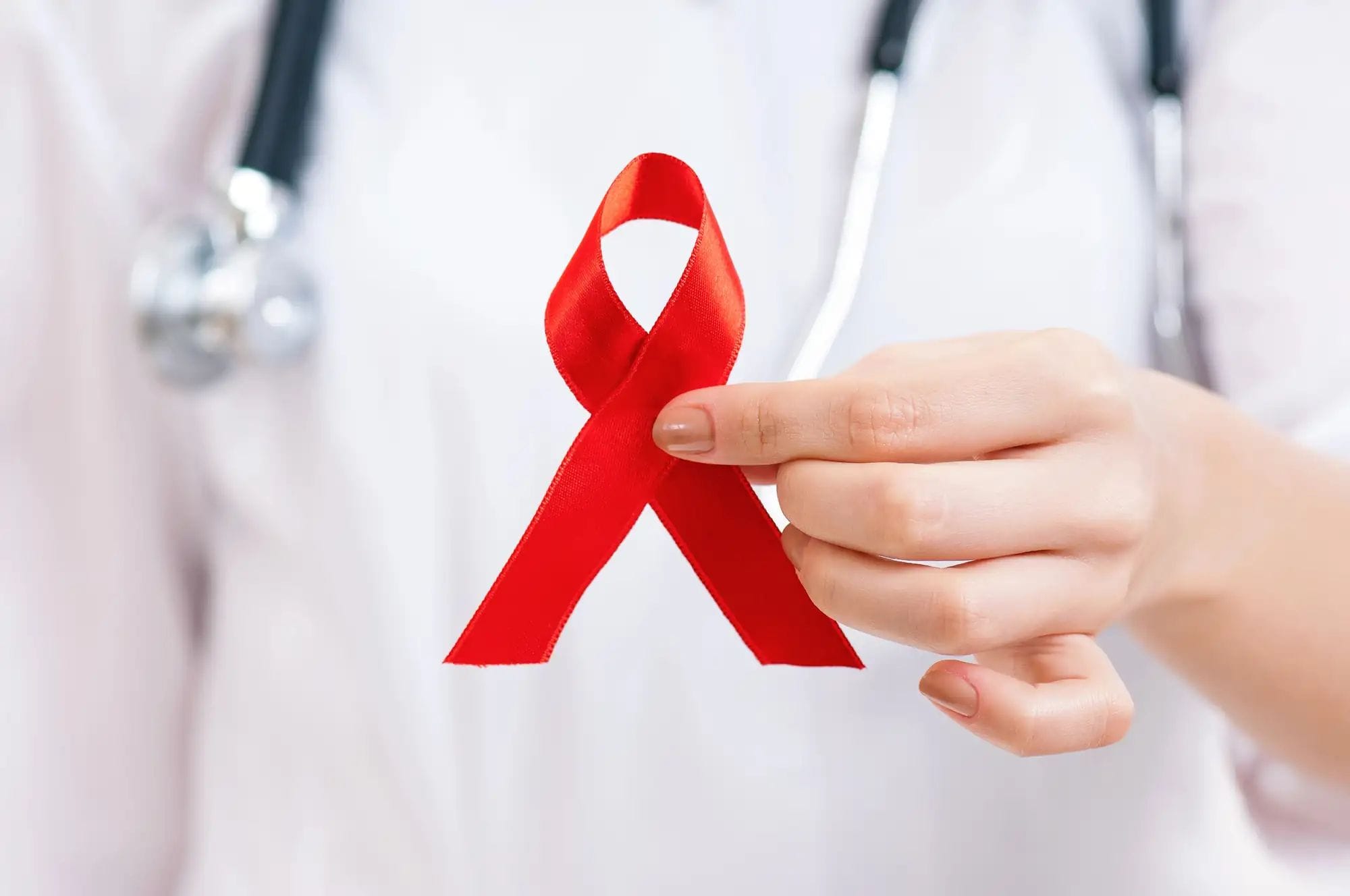
In Spain, around 7.5% of people with VIH are unaware that they have the infection. The ‘Deja Tu Huella’ programme seeks to identify cases during Emergency Department consultations, even when the reason for the visit does not initially point to the virus.
Between January and June 2026, 255 people received a VIH diagnosis there without previously knowing their status. According to the initiative’s estimates, these detections could have prevented up to 1,020 new infections.
More than 3,200 diagnoses up to June 2025
In the period between 2021 and June 2025, 366,429 serological tests were carried out in the participating services. Approximately one in every 100 identified a new infection; the diagnoses represented about 20% of the total recorded in Spain.
Semes estimates that each early diagnosis can prevent between two and four infections. Applied to the 3,262 cases detected in those five and a half years, the calculation puts the infections prevented between 6,524 and 13,048. These are estimates of potential impact.
The initiative is driven by Semes and Gilead Sciences. The Grupo de Infecciones en Urgencias (Infurg-Semes) and the Sociedad Española de Enfermedades Infecciosas y Microbiología Clínica also collaborate in its development. Its study group on AIDS (Gesida) also participates, along with the Coordinadora Estatal de VIH y Sida (Cesida).
Clinical alerts to offer the test
The programme brings together 185 Emergency Departments from 16 autonomous communities and more than 360 healthcare professionals. It estimates that its coverage reaches 82.2% of the Spanish population, according to a review published in Frontiers in Public Health.
In 70 departments across 11 autonomous communities, electronic medical records have been modified to include automatic alerts. The recommendation to consider a test applies in nine clinical situations:
Sexually transmitted infections (ITS).
Mononucleosis-like syndrome.
Community-acquired pneumonia.
Herpes zoster.
Post-exposure prophylaxis (PEP).
Chemsex.
Thrombocytopenia.
Fever without a source after completing evaluation in the Emergency Department.
Migrant patients from countries with a high prevalence of VIH.
The coordinator of the Grupo Infurg-Semes and the programme, Dr Juan González del Castillo, argued that a consultation can open up an opportunity for diagnosis even if the patient comes in for another reason. “If there are signs of a possible infection, offering the test can make a difference. Our responsibility is to incorporate this perspective into daily practice and ensure that people diagnosed can access the care they need,” he said.
The support tools take into account the reason for the visit and the history recorded in the medical record. If there is a previous situation compatible with VIH and no serological test is recorded, the system can alert the professional to consider requesting it at a future visit.