
News
Usera puts the finishing touches to its two large Chinese arches for their debut this autumn
Madrid's Chinatown is about to add one of its most recognisable elements. Usera is entering the final phase of installing two large Chinese-inspired ceremonial arches, known as paifang, which could be completed for Chinese Golden Week, held from 1 to 7 October.
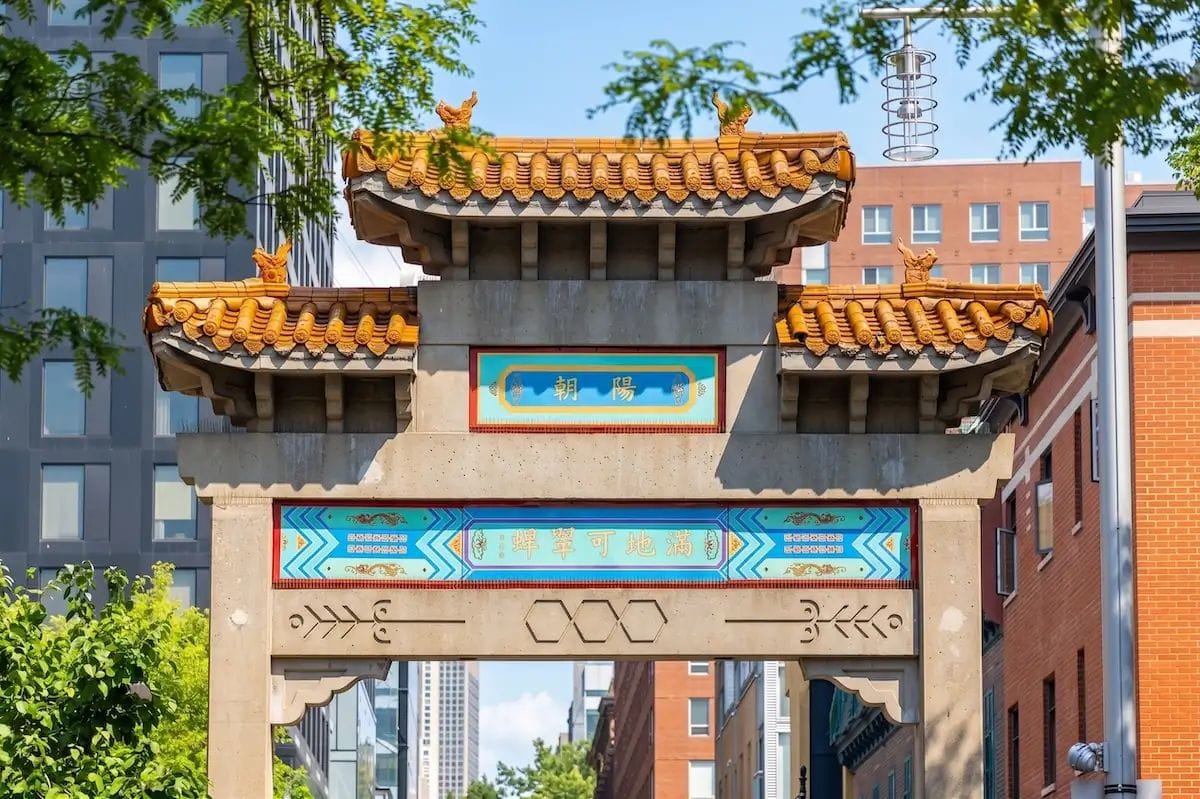
The structures will be erected in Plaza del Hidrógeno, along the Dolores Barranco axis, and on Calle Evangelios. Each will be around ten metres high and nearly thirteen metres wide, dimensions that will allow traffic to continue passing beneath them on these district streets.
The arches will have their own lighting and decorative elements inspired by traditional Chinese architecture. Their arrival has been delayed compared with the initial schedules, which had placed their unveiling this summer, but work is now progressing with the aim of completing the whole project over the coming weeks.
The intervention will complete a far broader urban transformation that can already be explored on foot. The Ayuntamiento has created a route of around 1.7 kilometres between Madrid Río and Plaza del Hidrógeno, gaining about 9,200 square metres for pedestrians and linking seven squares and public spaces.
Along the walk are references to Chinese and Spanish cultures: proverbs written in both languages, paving decorated with carp, Chinese zodiac motifs, vegetation and children’s areas. Among them is a play area dominated by a large dragon, as well as the panda bear sculpture previously installed in the neighbourhood.
The scheme also pursues an economic objective. Usera contains many of the restaurants, supermarkets and businesses linked to Madrid’s Chinese community and has become an increasingly well-known food destination beyond the district. The Ayuntamiento aims to use that identity to attract visitors southwards and distribute some of the tourist activity traditionally concentrated in the centre.
The transformation is not without debate. While traders and part of the Chinese community see Chinatown as an opportunity to gain visibility and economic activity, some neighbourhood voices have questioned whether the tourist investment responds to the district’s most urgent needs. The project therefore coexists with debates over housing, cleanliness, commerce and property pressure that also affect Usera.
Once the two paifang are finally erected, the change will be hard to miss: anyone arriving from Madrid Río will be able to follow the new pedestrian axis until reaching monumental gates that will visually mark the heart of Madrid’s Chinatown. After several years of works and cultural elements spread through its streets, Usera is preparing the missing piece of its new image for this autumn.