
News
Barcelona's other summer: almost three in ten Catalans cannot go on holiday
Every August, Barcelona experiences two very different summers. While Catalonia ended 2025 with a record of more than 20 million international tourists, 28.8% of Catalans could not afford even one week of holiday away from home. The figure reveals a divide that becomes especially visible in a city devoted to leisure and tourism during these months.
The latest figure does, however, represent a slight improvement on 2024, when the percentage stood at 30.4%. Therefore, it cannot be said that the situation has worsened over the past year, but the difficulty is still widespread: almost three out of ten people still do not have sufficient resources to spend seven days away from home.
The contrast with tourism is striking. Catalunya received 20,055,314 international visitors in 2025, the highest figure in the historical series, and they spent close to 24.807 billion euros. Slightly more tourists arrived than a year earlier, they stayed for less time on average and increased their daily spending to 221 euros.
At the same time, residents in Spain are travelling less. In 2025 they made 175.7 million trips, 4.7% fewer than the year before, and journeys within the country fell by 6.1%. Spending, however, rose by 2.6% to exceed 63.853 billion euros: fewer trips, but more expensive ones.
That increase in cost is also changing the way people take summer holidays. For many families, a week away means adding accommodation, transport, eating out and leisure at a time when housing and other everyday expenses absorb a large part of the budget. The alternative ends up being to cut the number of days, seek free accommodation at relatives' homes or simply stay in the city.
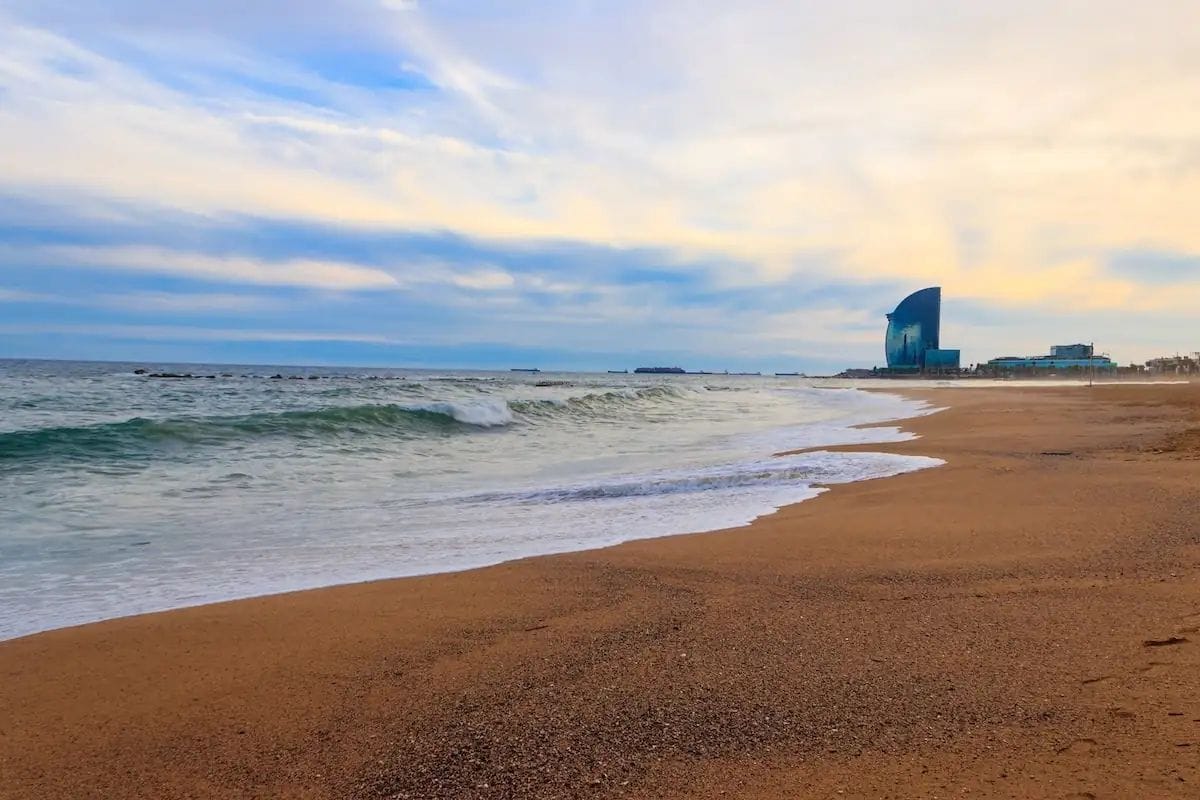
The difference is especially striking in Barcelona. Hotels, apartments, terraces and tourist spaces maintain intense activity while some of those who live here all year spend August in their neighbourhoods. The phenomenon does not mean that tourism is the direct cause of those families being unable to travel, but it places two very different economic realities on the same streets.
The data also require the idea that holidays are solely a matter of preferences to be qualified. Being unable to afford a week away from home is part of the material deprivation indicators used by official statistics and affects people very unevenly depending on their employment situation: among unemployed Catalans, the percentage reached 54.2% in 2025, compared with 23.7% among employed people.
Thus, Barcelona's summer does not end in the queues at the Sagrada Família, the full beaches or record visitor figures. It also takes place in flats where there are no suitcases packed and no trip planned. In a city able to sell rest to millions of people each year, the fact that almost three out of ten Catalans cannot buy a single week away from home leaves another, much less visible image of the tourist season.