
News
Valdebebas endures as an example of low density amid property pressure
Madrid is redefining how it grows, and the impact is already visible in the design of new neighbourhoods. While the city accelerates high-rise housing construction to meet demand, Valdebebas maintains the opposite model: low density, open spaces and a slower pace of life.
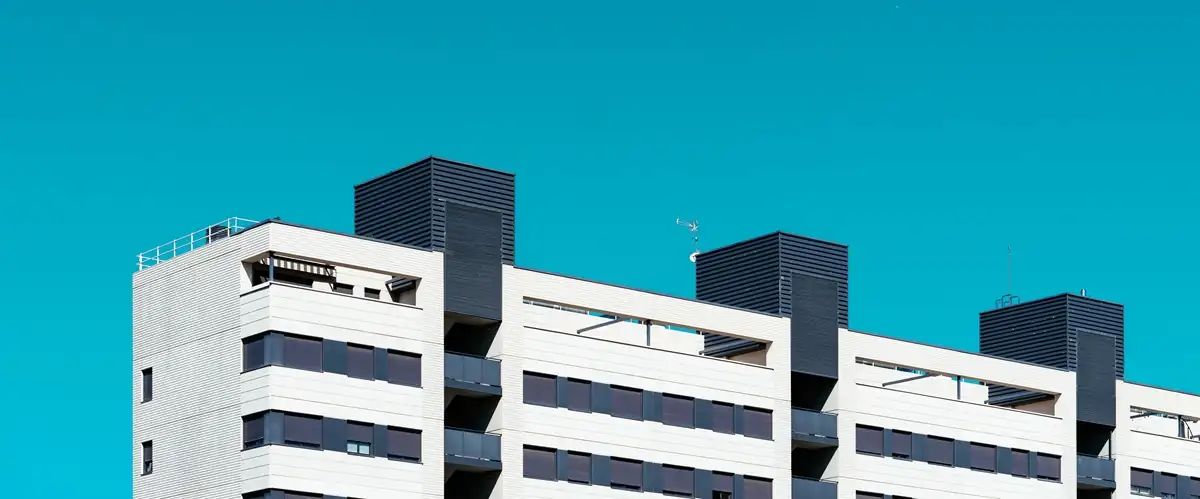
This northern district, developed two decades ago, brings together more than 30,000 residents in a setting dominated by wide avenues, medium-rise buildings and green areas. The large forest park, with almost 500 hectares, sets the pace of everyday life and becomes one of the main attractions for families seeking peace without leaving the city.
The development is not yet complete. Key infrastructure such as the health centre, police station and future metro station, scheduled for 2030, is still under way. However, the connection with the rest of Madrid remains one of the weak points for many residents, especially in public transport.
The economic profile also differentiates Valdebebas. With per-capita income exceeding 71,000 euros, the district reflects a model associated with quality of life and space, although with lower density and, at times, fewer immediate services.
Against this model, property pressure in Madrid is pushing towards more compact and vertical developments. Experts and political leaders agree that the Valdebebas model belongs to a period when available land made it possible to prioritise space. Today, the challenge is to build more homes without collapsing the city.
The type of district you live in will increasingly shape your routine: greater density means better connections and nearby services, but less space; models such as Valdebebas offer calm and green areas, although with greater dependence on transport. Madrid is now seeking a balance between both ways of living.