
News
Valdebebas Shopping will change the commercial landscape of northern Madrid
Valdebebas is preparing to add a major new element to its urban transformation. The future Valdebebas Shopping is moving forward as one of Madrid's most ambitious commercial projects, with more than 360,000 square metres, nearly 280 units, and an offering designed to combine shopping, leisure, dining, and family activities.
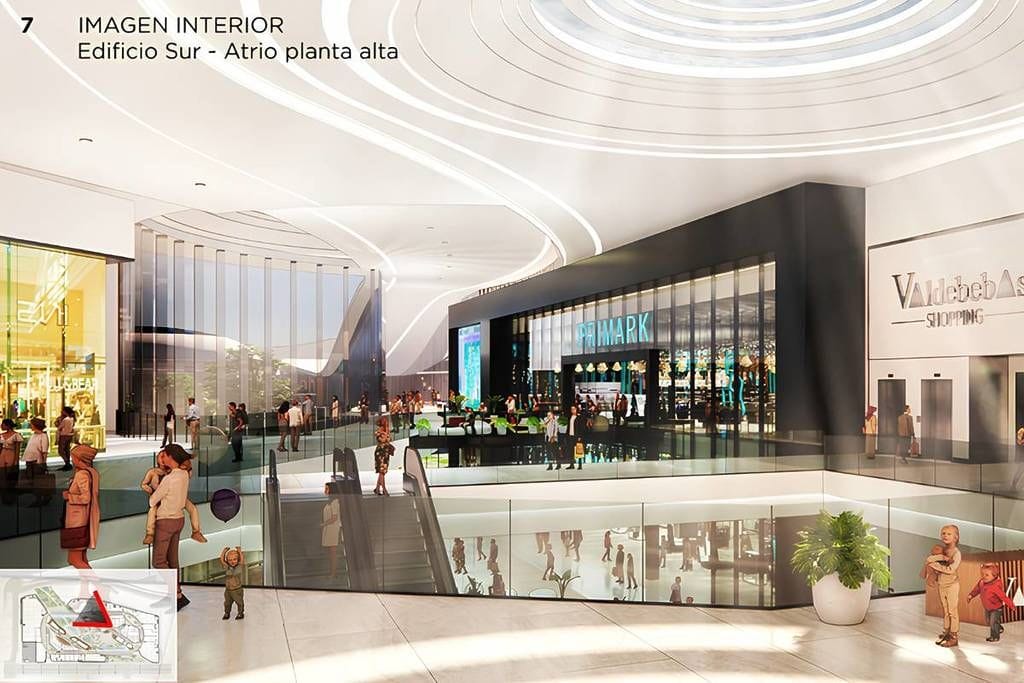
The complex will be built in one of the fastest-growing areas in the north of the capital, next to IFEMA, Hospital Isabel Zendal and Barajas T4. Its location is no coincidence: the project seeks to attract both residents of Valdebebas and Hortaleza and visitors moving along the airport axis, the exhibition venues and the new residential developments.
Planned investment is around 500 million euros and opening is set for 2027, although the timetable will depend on the progress of the works and improvements to access. In an area where cars still carry great weight, the connection to public transport will be one of the keys to ensuring the project does not become a new congestion hotspot.
The design proposes two large buildings connected by a central open-air square. That space will serve as a meeting point, with terraces, seasonal activities and events. The idea is for the centre to be not only a place to shop, but also somewhere to meet, eat, go to the cinema or spend the afternoon.
The architecture, designed by Chapman Taylor, opts for broad galleries, natural light, white façades, curved lines, integrated vegetation and walkable rooftops. It is the type of model that new shopping centres are following: fewer enclosed corridors and a more open, comfortable and visual experience.
One of the major attractions will be a state-of-the-art Kinépolis cinema complex. This will be joined by major retail chains, international operators, a food hall, terraces and restaurants intended to cover different times of day, from quick shopping trips to weekend leisure.
The employment impact will also be notable. Forecasts point to between 5,000 and 6,000 direct jobs, as well as up to 3,500 indirect jobs linked to logistics, maintenance, security, cleaning and external services. For an expanding area, the project could become a new engine of daily activity.
For years, Valdebebas has been moving from a neighbourhood under construction to an urban hub with a life of its own. The arrival of a shopping centre of this size will accelerate that change, but it will also test mobility, services and the balance between mass leisure and residential life. The challenge will be ensuring that the new giant not only attracts people, but truly fits into everyday life in northern Madrid.