
News
T-Mobilitat will require validation when getting off interurban buses too
Travelling by interurban bus in Barcelona and its surroundings will change with T-Mobilitat. Users will have to validate their ticket not only when boarding, as they do now, but also when getting off the vehicle. The aim is to know more precisely what journeys are actually made and adjust the service better.
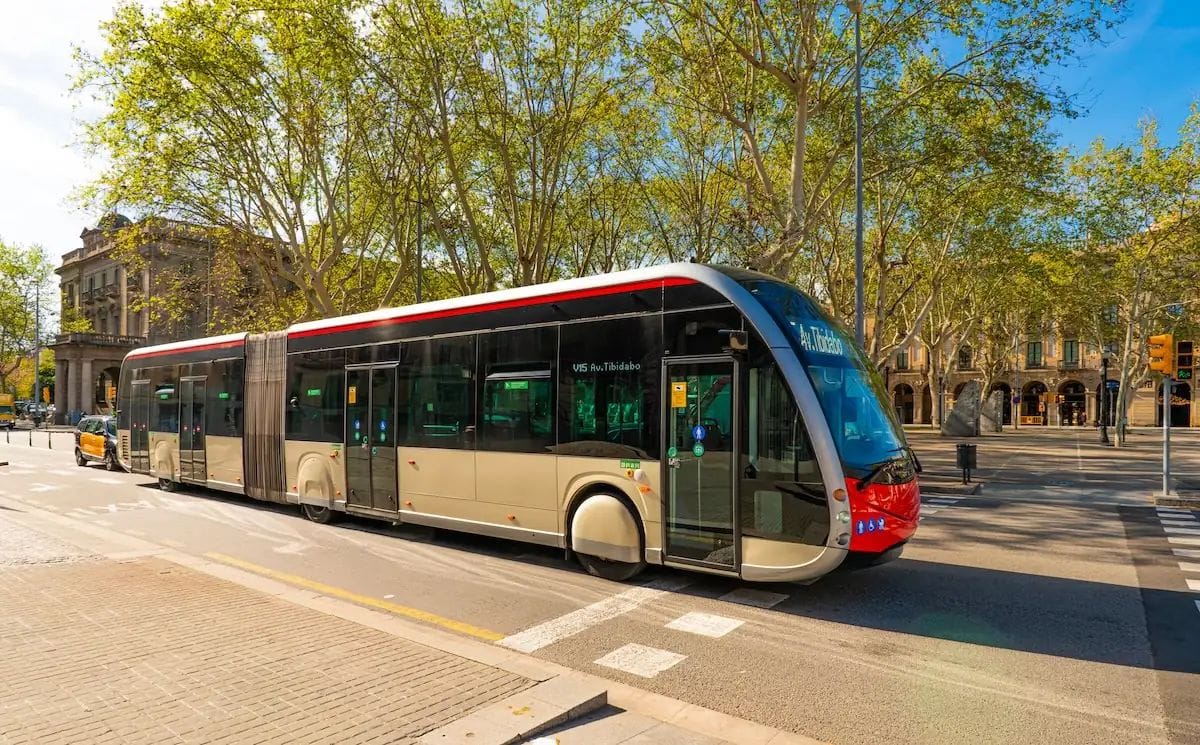
Until now, the system recorded the passenger's entry point, but not always their destination. With double validation, the Autoritat del Transport Metropolità will be able to know anonymously where journeys begin and end, key information for detecting overcrowded lines, stops with greater demand and timetables that need reinforcement.
The change will particularly affect interurban buses, where journeys can be long and vary greatly between users. Travelling two stops between nearby municipalities is not the same as completing a large part of a route, and that difference is what the new system aims to measure better.
The measure also opens the door to fares that are better adjusted to actual use. In the future, the ticket price could depend more on the distance travelled and less on the current zone model, which sometimes creates differences that are difficult to understand for people travelling between nearby municipalities.
For users, the gesture will be simple but important: validate when boarding and do so again before getting off. That second validation will make it possible to close the journey and feed a data system that should translate into better frequencies, more planning and a network less based on estimates.
The final rollout still has no fixed timetable, but it forms part of the digital transformation of metropolitan public transport. T-Mobilitat has already replaced magnetic tickets in much of the Barcelona area and is now facing a more complex phase: better integrating interurban buses and extending the system.
At the same time, the ATM has modernised the operations support system on nearly a thousand buses. This makes it possible to geolocate vehicles, monitor day-to-day operations better and manage fleets with more real-time information.
The challenge is not only technological. For double validation to work, users will have to get used to a new habit and administrations will need to explain clearly what it is for. If applied correctly, it can help public transport respond better to the real lives of people who combine bus, metro, train and tram every day to get around Barcelona and its metropolitan area.