
News
Vallecas reinvents itself: between working-class memory and new modernity
Vallecas is undergoing a transformation already visible on its streets. New property developments, refurbished premises and the arrival of young people are changing the urban landscape without entirely erasing the identity that has defined the neighbourhood for decades.
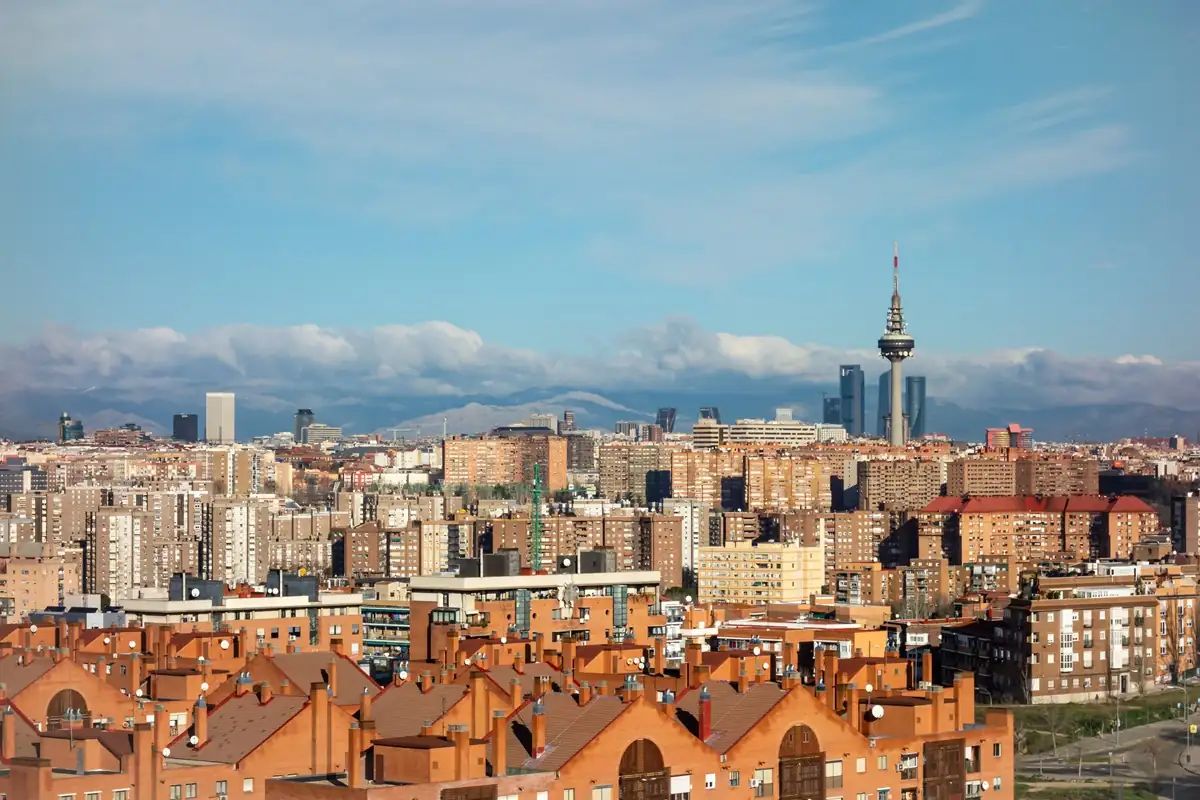
Beyond the M-30, cranes and modern buildings stand alongside long-established workshops, classic bars, and doorways steeped in history. Ads for new flats appear where shuttered businesses once stood, and the neighbourhood is starting to attract those looking for opportunities without moving far from the centre.
The change is also felt in the daily rhythm. On one hand, new residents walk the streets with plans and projects in mind; on the other, those who have lived here all their lives keep up routines that have barely changed. Two ways of experiencing the neighbourhood that coexist, sometimes without fully mixing.
The urban scene reflects this duality: bicycles leaning against freshly painted façades, modern studios next to traditional homes, and bars that remain gathering spots. Vallecas doesn’t break with its past, but it doesn’t stand still either.
More than a passing trend, the transformation points to a deeper process. The neighbourhood is evolving, but it keeps a part that resists change, setting its own pace within a city that never stops expanding.
This kind of transformation usually brings new services, more economic activity, and changes in housing and rental prices. In the short term, you might notice more movement and diversity among residents, but also a certain tension between the new and the old. In the medium term, the challenge will be to maintain a balance between growth and identity—something key for the neighbourhood to remain recognisable to those who live here every day.