
News
San Fernando erupts over the new park on homes demolished by line 7B
The opening of a new green area in San Fernando de Henares has reopened a wound that has remained open for years. The park occupies part of the space where homes and public services once stood before being demolished due to damage linked to Metro line 7B, and for many affected families the inauguration is nothing to celebrate.
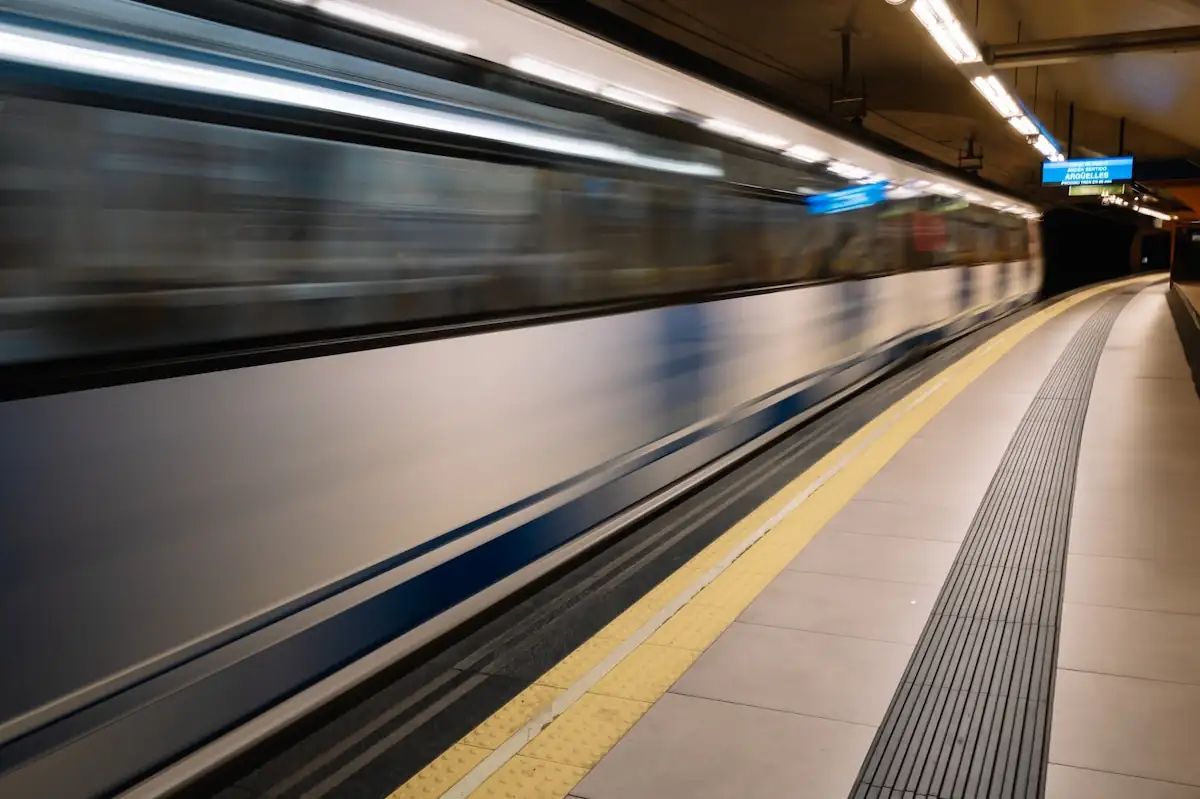
The discontent became visible during the visit by the Transport Minister, Jorge Rodrigo, to the municipality. A group of residents greeted him with shouts, banners and reproaches, demanding real housing solutions and answers for those who lost their homes or are still living subject to cracks, technical reports and legal proceedings.
The protest was not massive, but it was highly symbolic. For those affected, seeing a park on the site of demolished buildings is difficult to accept when many families still lack a definitive alternative and when the public services that existed in the area have not been restored.
The origin of the conflict dates back to 2007, with the extension of Metro line 7B. The works altered the subsoil of San Fernando de Henares and, over time, the water and salt present in the ground caused structural damage to residential buildings and municipal facilities.
Since then, the municipality has lived with an urban crisis that has not been closed. Dozens of homes have been demolished, hundreds of residents have watched their houses crack, and many families have had to leave their homes without feeling that the compensation received corresponds to the damage suffered.
The Community of Madrid maintains that it has allocated more than 170 million euros to stabilising the ground, repairing the infrastructure and restoring Metro service. But those affected insist that the problem cannot be measured only in works, investment or reopenings: the lives of those left without a home still need to be resolved.
The case also hit key municipal facilities. The former El Pilar complex, which housed services such as the Casa de la Mujer, the Escuela de Idiomas and the municipal theatre, disappeared because of the damage and demolitions. The new park now occupies part of that urban void, but it does not replace what was lost.
For residents, the priority remains housing, the safety of affected buildings and the recovery of public services. The green area may improve the appearance of the surroundings, but it does not answer the question many have repeated for years: when they will truly be able to close this chapter.
Line 7B is not just an infrastructure project with technical problems. In San Fernando it has become a story of uprooting, uncertainty and neighbourhood weariness. There are families living far from their neighbourhood, owners who do not know what will happen to their flats and residents who still look at every crack with fear.
The opening of the park leaves a difficult image for the municipality: an urban improvement built on an unresolved conflict. San Fernando needs green spaces, but also memory, reparation and concrete solutions for those who still feel that their lives were put on hold by a project they never asked for and that has still not ended for them.