
News
Cultural tourism grows and forces a rethink of access in Barcelona
Barcelona has consolidated its own cultural model, far removed from Europe’s major encyclopaedic museums. Rather than competing with large universal collections, the city favours distinctive spaces such as the Museu Picasso, the Fundació Joan Miró and the Fundació Antoni Tàpies, which define its cultural identity.
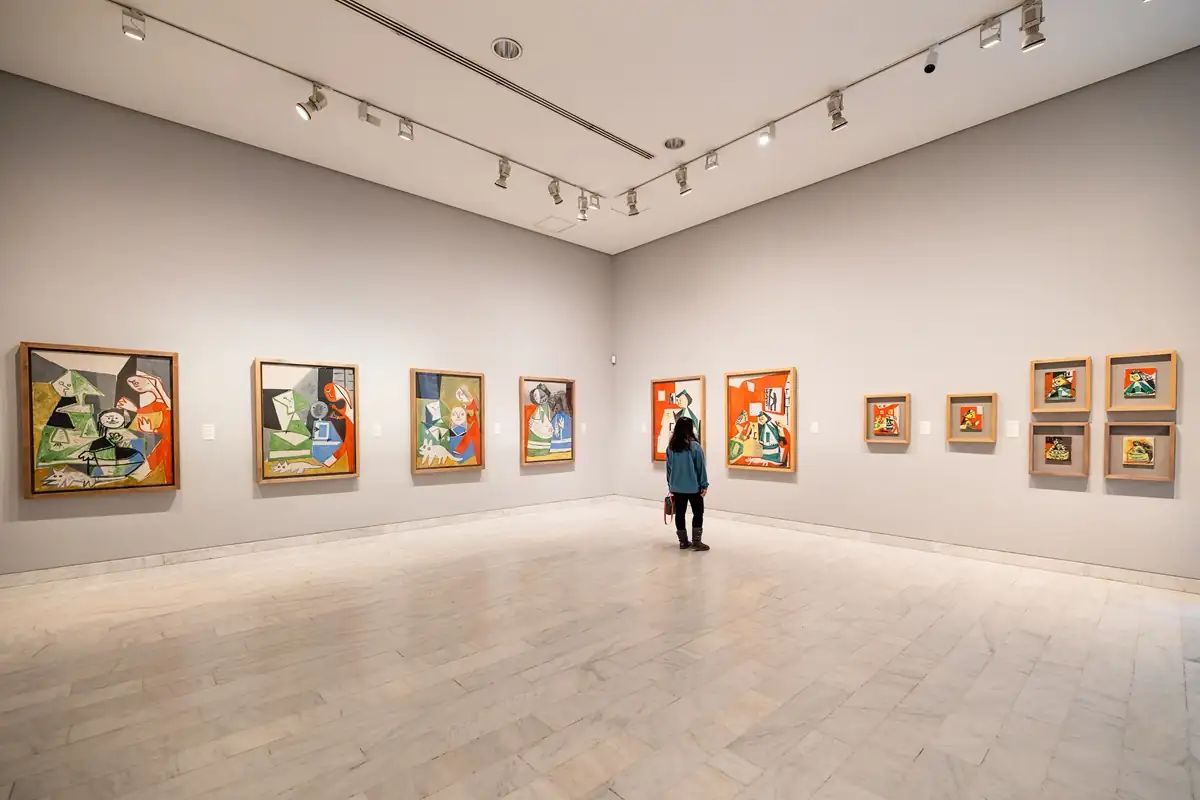
Added to this offering is Museu Nacional d'Art de Catalunya, with one of the world’s most important collections of Romanesque art, and new projects such as the future arrival of the Carmen Thyssen collection at the former Comedia cinema.
This approach has made Barcelona a different cultural destination, where the experience is built around more specialised proposals linked to the local context. However, the growth of cultural tourism has also intensified pressure on emblematic neighbourhoods and spaces.
Institutions now face the challenge of managing visitor numbers without affecting everyday life. The debate over access, the distribution of audiences and cultural sustainability is gaining weight on the urban agenda.
At the same time, museums seek new ways to connect with the public, broadening their reach and adapting to a city in constant change.
In a scenario in which culture acts as an urban driver, Barcelona is trying to balance its international appeal with preserving its identity and coexistence in public space.