
News
How to survive extreme heat in Barcelona and Madrid: a practical guide for people and animals
Heatwaves in Barcelona and Madrid are no longer exceptional episodes. Every summer brings days of very high temperatures, tropical nights and a perceived temperature that can make it difficult to walk, work, sleep or care for those who depend on us. We explain how to protect yourself and your loved ones from the dangerous effects of heat.
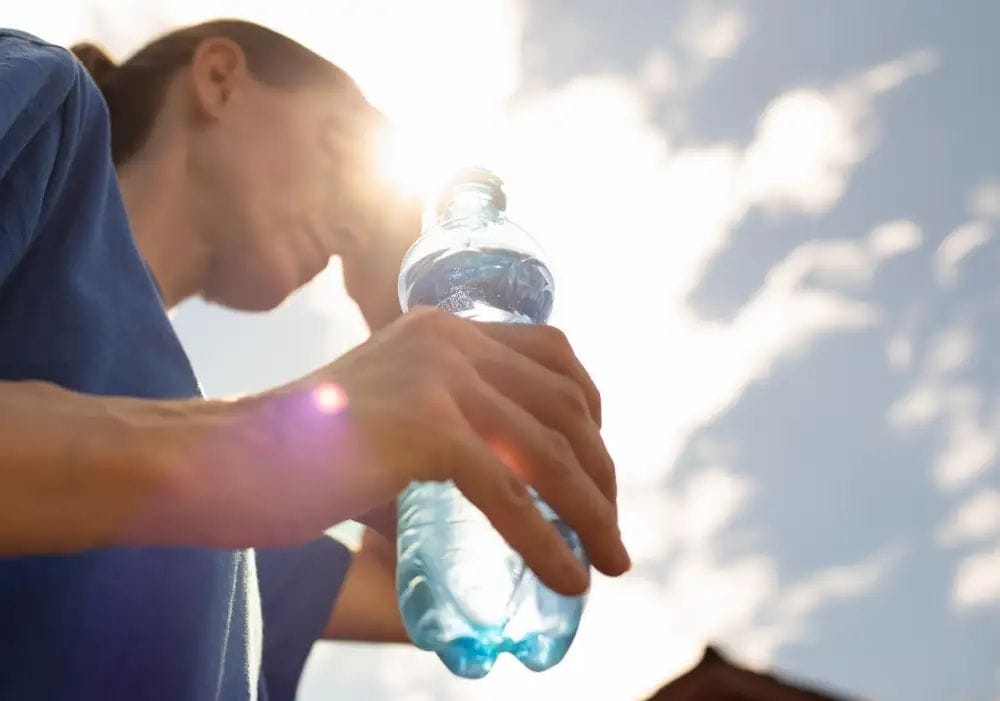
In Madrid, the municipal CALORMAD 2026 plan reminds people that extreme heat particularly affects older people, babies, minors, people with disabilities, homeless people, athletes and outdoor workers.
In Barcelona, the network of climate shelters has expanded greatly in recent years: in 2026 it exceeds 500 spaces, most of them indoor and air-conditioned. In Madrid, the heat plan includes municipal resources, senior centres, markets and social support arrangements for vulnerable people.
Basic advice for surviving extreme heat
Avoid going out between 12:00 and 18:00, especially if you are going to walk a lot, exercise or travel with children, older people or animals.
Drink water even if you are not thirsty. Avoid overdoing alcohol, very sugary drinks and coffee, because they can contribute to dehydration.
Lower shutters during the sunniest hours and air the home at night or early in the morning.
Seek out climate shelters: libraries, civic centres, markets, senior centres, museums or air-conditioned public facilities.
Wear light, breathable, light-coloured clothing. Cover your head if you are going to be in the sun.
Eat lightly: fruit, salads, gazpacho, vegetables, cold pulses and dishes with a high water content.
Watch for warning signs: dizziness, confusion, very hot skin, severe headache, nausea, rapid pulse or fainting. In an emergency, call 112.
Photo by M-Production / Shutterstock / FOTODOM
How to protect dogs, cats and other animals
Animals also suffer from heat, and in cities such as Barcelona and Madrid asphalt, balconies and cars can become dangerous traps. Madrid Salud warns that the most frequent cases of heatstroke in dogs and cats occur when they are left in cars, on terraces or balconies for a long time in high temperatures.
Never leave an animal inside a car, not even for «five minutes» or with the window slightly open.
Do not leave dogs or cats shut in on balconies, terraces, unshaded patios or poorly ventilated rooms.
Walk the dog very early or at dusk. Avoid the middle hours of the day.
Before going out, touch the asphalt with the back of your hand for five seconds. If it burns, it can also burn their paw pads.
Take fresh water on every walk and offer small amounts frequently.
Do not shave the animal’s fur without consulting a vet: in some cases the coat protects it from the sun.
Cool its resting area with cooling mats, damp towels or gentle ventilation.
Pay particular attention to puppies, older animals, brachycephalic breeds such as bulldogs or pugs, overweight animals or those with heart or respiratory problems.
Photo by monshtein / Shutterstock / FOTODOM
What to do if an animal suffers heatstroke
If you see excessive panting, weakness, vomiting, very red or pale gums, disorientation, tremors or collapse, act quickly.
Take the animal to a cool place, offer water without forcing it to drink and wet its body with cool water, never ice-cold water. Madrid Salud recommends taking it to a cool place where it can breathe well, giving it water and going to a veterinary clinic if symptoms persist.
Homeless animals: a simple gesture can save their lives
During heatwaves, animals living on the street are especially vulnerable. Cats in feline colonies, urban birds, hedgehogs or abandoned dogs do not always find enough shade or water to withstand temperatures above 35 or 40 °C.
One of the simplest ways to help is to place a container of clean water in a shaded spot, especially near feline colonies or gardens where birds gather. It is advisable to change the water daily and put the bowl somewhere that does not obstruct pedestrians or vehicles.
If you help a feline colony, try to feed the cats in the early morning or at dusk, when the heat is less intense. Wet food should be removed quickly to prevent it from spoiling in high temperatures.
Birds also need help during the summer. A shallow container of water can serve for them to drink and cool down. It is important to place it in an area protected from cats and direct sunlight.
Photo by gerd-harder / Shutterstock / FOTODOM
If you find an animal that is disoriented, motionless, breathing with difficulty or showing signs of heatstroke, try to move it to a cool area without handling it more than necessary and contact the relevant services. In Barcelona, you can notify the Guardia Urbana (092) or the Centre d'Acollida d'Animals de Companyia de Barcelona (CAACB). In Madrid, incidents involving animals on public roads can be reported to the Policía Municipal (092) or 112, which coordinates action with municipal veterinary services when there is an emergency.
It is also important to remember that many wild animals, such as swifts, swallows or small mammals, may appear exhausted by the heat. If you are unsure how to act, the best course is to contact a wildlife recovery centre or municipal services before trying to feed or move them yourself.
Small gestures such as leaving water, notifying the appropriate services or checking that an animal is not shut inside a vehicle can make a difference during an episode of extreme heat.
Useful telephone numbers and services in Barcelona and Madrid
General emergencies:
112 — for heatstroke, disoriented people, animals in serious danger, fires or urgent situations.
Barcelona:
010 — municipal information, climate shelters and citizen services.
092 Guardia Urbana — urgent situations on public roads.
CAACB — Centre d’Acollida d’Animals de Companyia de Barcelona: Carretera de l’Arrabassada, 250, 08035 Barcelona. Tel.: 934 284 417. The Col·legi Oficial de Veterinaris de Barcelona lists this address and telephone number, as well as stating that these centres deal with the collection, care and emergencies of animals that have been run over or are aggressive.
24-hour Balmesvet veterinary emergencies: Carrer de Balmes, 205, Barcelona. Tel.: 931 173 173. The centre states that it provides care 24 hours a day, 365 days a year, for dogs and cats.
Madrid:
010 — municipal information and resources during heat episodes.
112 — emergencies.
092 Policía Municipal — urgent incidents on public roads.
Madrid Animal Protection Centre: Tel.: 913 094 135, Monday to Friday on working days from 8:30 to 17:00. Outside these hours, at weekends and on public holidays, urgent incidents involving injured, ill or at-risk animals are referred to SEVEMUR through 092 or 112.
Madrid Salud offers specific recommendations for protecting pets from heatstroke.
Extreme heat is not fought only with air conditioning. It also requires looking around us: calling an older person who lives alone, offering water to someone who works on the street, raising the alarm if we see someone disoriented and acting quickly if an animal is confined, abandoned or in danger. In summer, surviving the city also depends on all of us taking care of one another.