
News
Extreme heat on the Metro de Madrid sparks complaints and changes routines
Travelling on the Metro has become a challenge this summer. Complaints about the heat have reached record levels. Line 1 is where most of the discontent is focused. Public transport is shaping daily plans in Madrid.
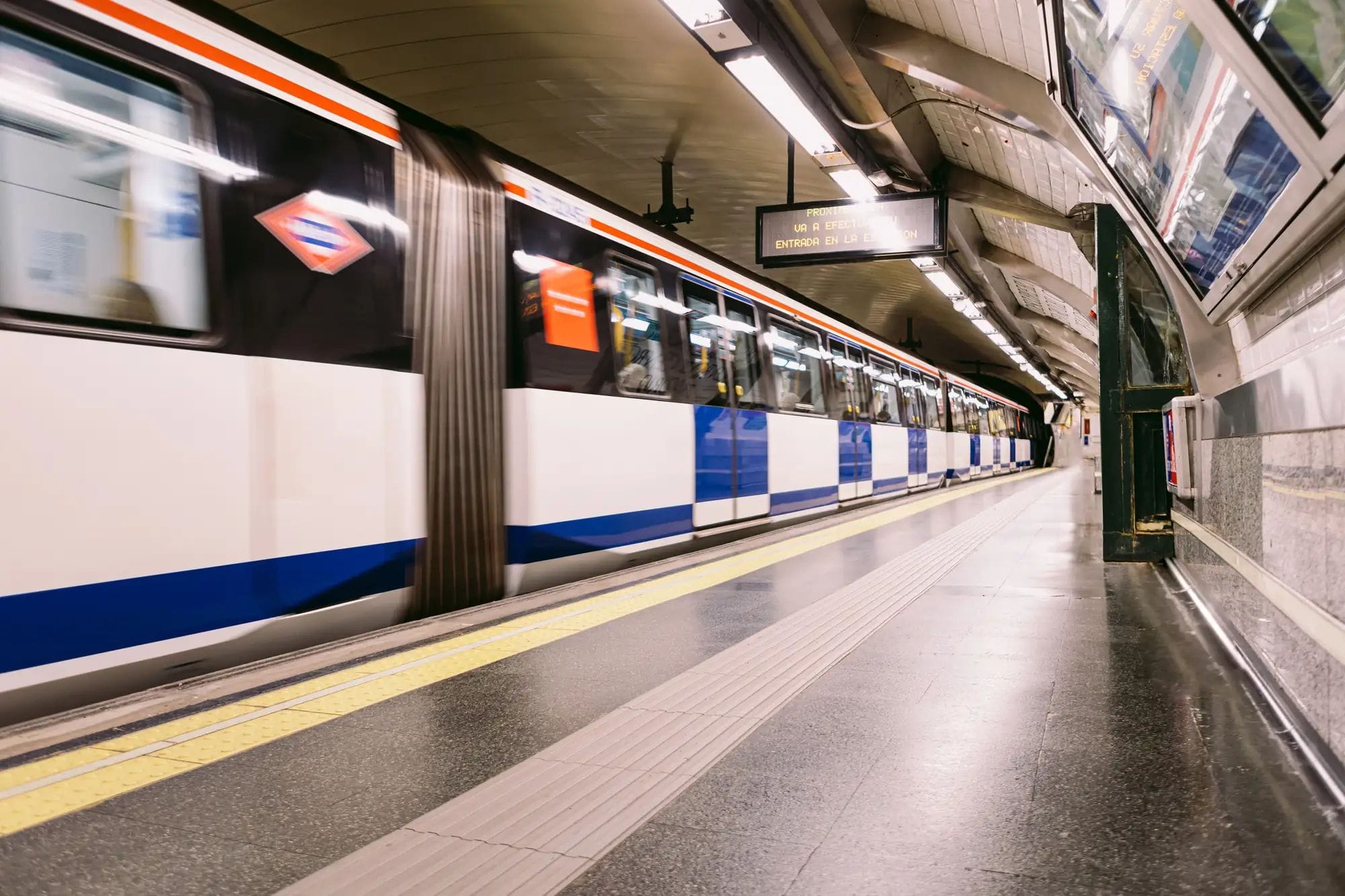
This summer, getting around Madrid by Metro has stopped being a comfortable routine and become a test of endurance. The heat inside the carriages has set the pace of the city, disrupting journeys, timetables, and even the mood of those who rely on the underground to get to work, see family, or simply cross the city.
The numbers speak for themselves: in June alone, Metro de Madrid received 3,753 complaints, of which 2,073 were about the temperature in the carriages. More than half of the complaints that month were directly related to the heat, even surpassing the usual protests about train frequency. Line 1, the oldest and with the most veteran trains, has borne the brunt. The atmosphere in its carriages swings between the relief of air conditioning—when it works—and the feeling of being in a sauna, according to passengers themselves.
Beatriz, who uses the Metro daily, sums up the experience as hellish. María, who prefers the bus whenever she can, recalls how on 21 August, stepping into a Line 1 train was like opening an oven. Kiré, a regular on the same line, describes it as a lottery: you never know if you’ll get a cool carriage or a stifling one. Marta, who starts her journeys at seven in the morning, says the heat is noticeable as soon as you reach the platforms, and finding a carriage with air conditioning is almost a miracle.
The spokesperson for Metro de Madrid acknowledges that the rise in complaints is due to several factors: the hottest summer since 1961, the impact on the air conditioning systems of the oldest trains, and the increase in passengers on Line 1 due to the closure of Line 10. To try to ease the situation, the company has stepped up technical inspections and invested 3.5 million euros to improve the air conditioning on 93 trains on lines 1 and 5. In addition, cooling units have been installed on the platforms of 20 stations. However, users are still waiting for immediate solutions, because the heat is being endured today, not tomorrow.
The discomfort isn’t limited to the carriages. In June, there were also 56 complaints about the temperature in the stations. The discomfort has been so noticeable that a website, Termo de Madrid, has even appeared, where passengers can record the temperatures they endure on each journey. The collaborative map confirms what many already suspected: Line 1 is the most affected, and three in the afternoon is the worst time to travel.
Extreme heat not only affects mobility, but also forces people to change their routines. María Otero, who has lived in Madrid for 14 years, has chosen to avoid the Metro in summer and only uses it if she has no other option. She prepares with light clothing, sandals, water, and a fan. Marta tries to travel early, but admits that the feeling of being overwhelmed is constant, especially at rush hour, when the carriages are full and the air barely circulates.
The situation is reminiscent of other times when the weather has forced the city to adapt, as was recently reported regarding recommendations for heavy rain. Madrid adjusts its pace according to the weather, and this summer the thermometer has set new rules for getting around underground.
Metro de Madrid is much more than a means of transport: it is the city’s nervous system, connecting neighbourhoods, making daily life easier, and setting the rhythm of the capital. With more than 200 kilometres of track, its operation affects millions of people every week. The age of some lines, like Line 1, and the pressure of increasingly hot summers, are testing its ability to adapt. Investments in air conditioning and the arrival of new trains will be key, but the experience of this summer makes it clear that urban mobility in Madrid can no longer ignore the impact of the climate. The city is starting to move in that direction, though for many, relief still seems a long way off.