
News
Line 6 changes Madrid's nights: it will open 24 hours a day at weekends
Metro de Madrid's Line 6 will not close in the early hours at weekends once its automation is complete. This Thursday, the Comunidad de Madrid announced that the Circular will operate continuously from the start of Friday's service until the regular Sunday closing time, including Friday and Saturday nights on a stable basis for the first time.
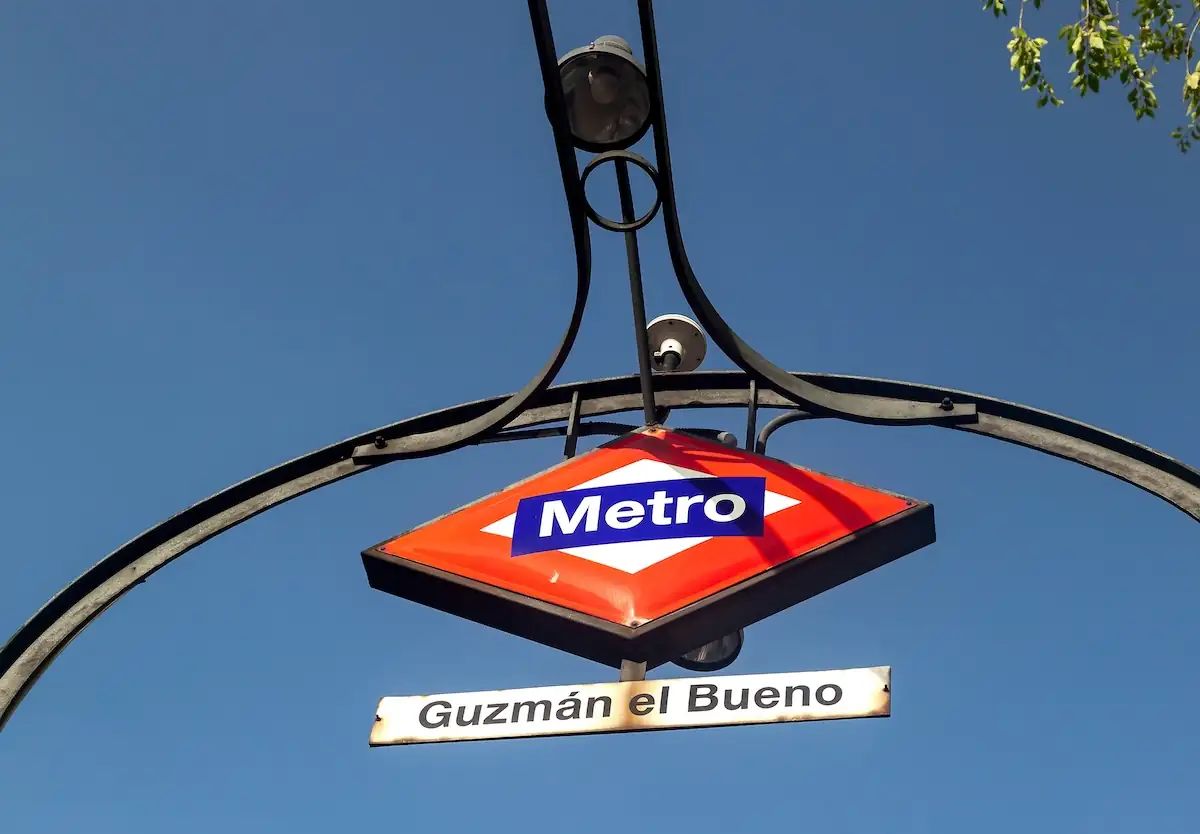
The change will make it possible to use the Metro in the early hours to travel between places such as Moncloa, Cuatro Caminos, Príncipe Pío, Legazpi, Méndez Álvaro, Pacífico, Conde de Casal and O'Donnell. The L6 is also the network's major interchange ring: it connects with ten other Metro lines, five interchanges, Cercanías commuter rail and the Estación Sur de Autobuses.
For people leaving concerts, working at night or returning home during the weekend, the difference will be especially noticeable. Until now, the Metro normally operates from 6:00 until around 1:30, and full night-time extensions have been reserved for exceptional situations, such as major events or extraordinary episodes.
Permanent opening on Friday and Saturday nights will arrive once the Circular's technological transformation has been completed. The new automatic trains will start to be introduced throughout 2027, but the regional government has not yet specified the exact day on which the 24-hour service will begin.
Automation will make the L6 the first Metro de Madrid line with fully automatic operation. The first trains from a fleet of 48 are already being tested, while work continues on the stations, signalling and platform doors needed to operate without a driver.
The new vehicles will have six carriages, be more than 109 metres long and have capacity for up to 1,385 passengers, around 17% more than the current trains. The regional government also plans to reduce intervals to approximately two minutes at times of highest demand.
Keeping the line open all night also requires changing how the Metro carries out maintenance. The tasks that can now be performed during the early hours of Friday and Saturday will have to be concentrated mainly between Sunday night and Monday morning.
That issue has already prompted opposition among workers. The Metro works council expressed its rejection of the announcement this Thursday and maintained that a change of this scale must be negotiated with employee representatives, especially because of its consequences for shifts and maintenance work.
The L6 carries more than 430,000 passengers on a working day and is the most used line in the entire network. If the automation timetable is met, it will also be the first to permanently end the Metro's usual night-time closure every weekend.