
News
98% of Madrid residents have public transport within 300 metres of home
Madrid has 98% public-transport coverage within 300 metres of homes, according to Madrid City Council data. Only some new neighbourhoods and areas of detached houses fall outside this range, in a city reinforcing its commitment to more accessible mobility.
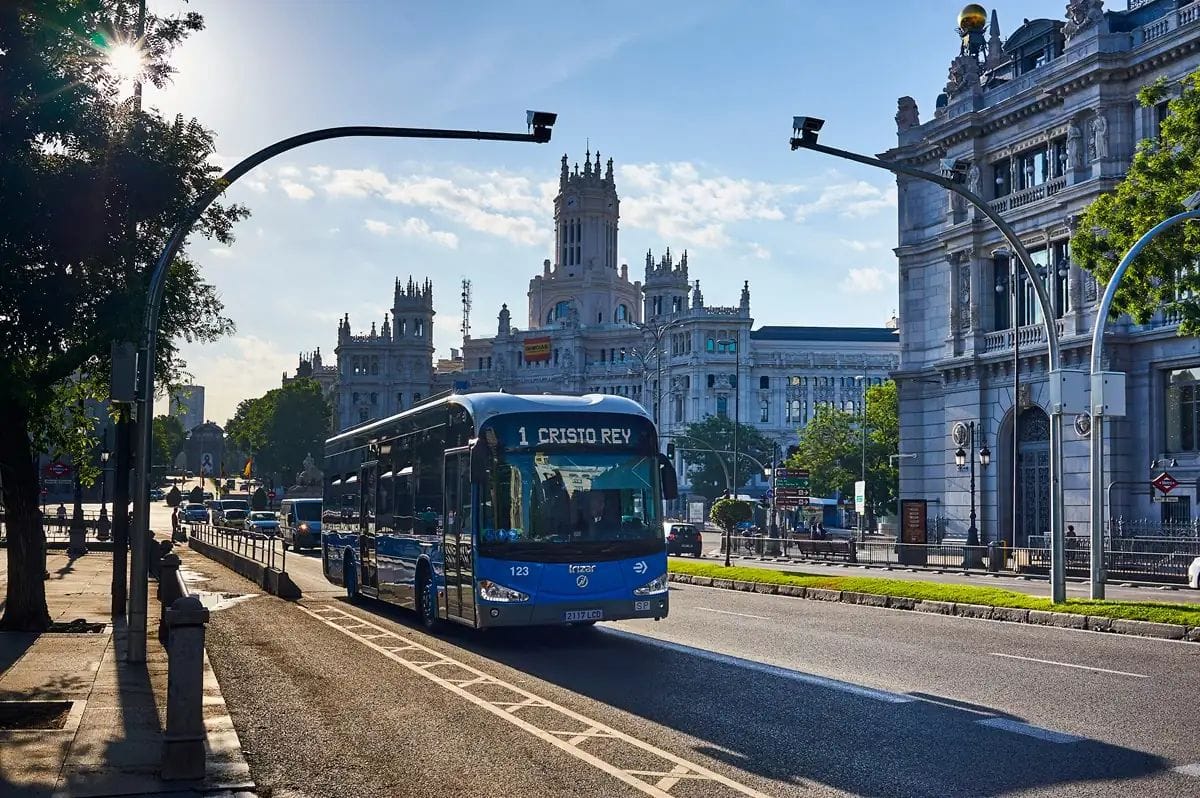
This level of coverage translates into smoother everyday journeys. For most residents, reaching a stop takes less than five minutes on foot, making both work journeys and leisure plans easier without needing a car.
At the same time, use of private vehicles has decreased, especially in the centre, where traffic has fallen markedly over the last decade. Walking and cycling are gaining ground in neighbourhoods where the proximity of services changes how people get around.
The analysis is based on the municipal Visor Diagnóstico, a tool that combines hundreds of indicators to understand how the city works. This system makes it possible to observe everything from broad trends to details at neighbourhood or even plot level.
In addition, Madrid is already working with the Simulador Estratégico de Ciudad, an internal tool that will help anticipate problems and plan public policies. The aim is to make data-based decisions in areas such as housing, mobility and sustainability.
Beyond the figures, this model reflects how Madrid is redefining its urban rhythm. Proximity to transport not only improves mobility, but changes the relationship with the city: it makes it easier to make plans on the spur of the moment, reduces dependence on cars and better connects neighbourhoods with different dynamics, pointing towards a more efficient and cohesive city.