
News
Why New York appeals so much to Spaniards
Every summer, the queues at Spanish airlines’ desks for flights to JFK grow a little longer. Families with tightly packed cabin bags and the excitement of setting foot in Times Square for the first time. Or the third. It does not matter. New York has that strange effect of a city you can never exhaust. And Spaniards know it. Spain is among the ten European countries that send the most visitors to the Big Apple each year. That is no surprise. What is surprising is that the figure keeps rising when almost everyone already has photos in front of the Brooklyn Bridge.
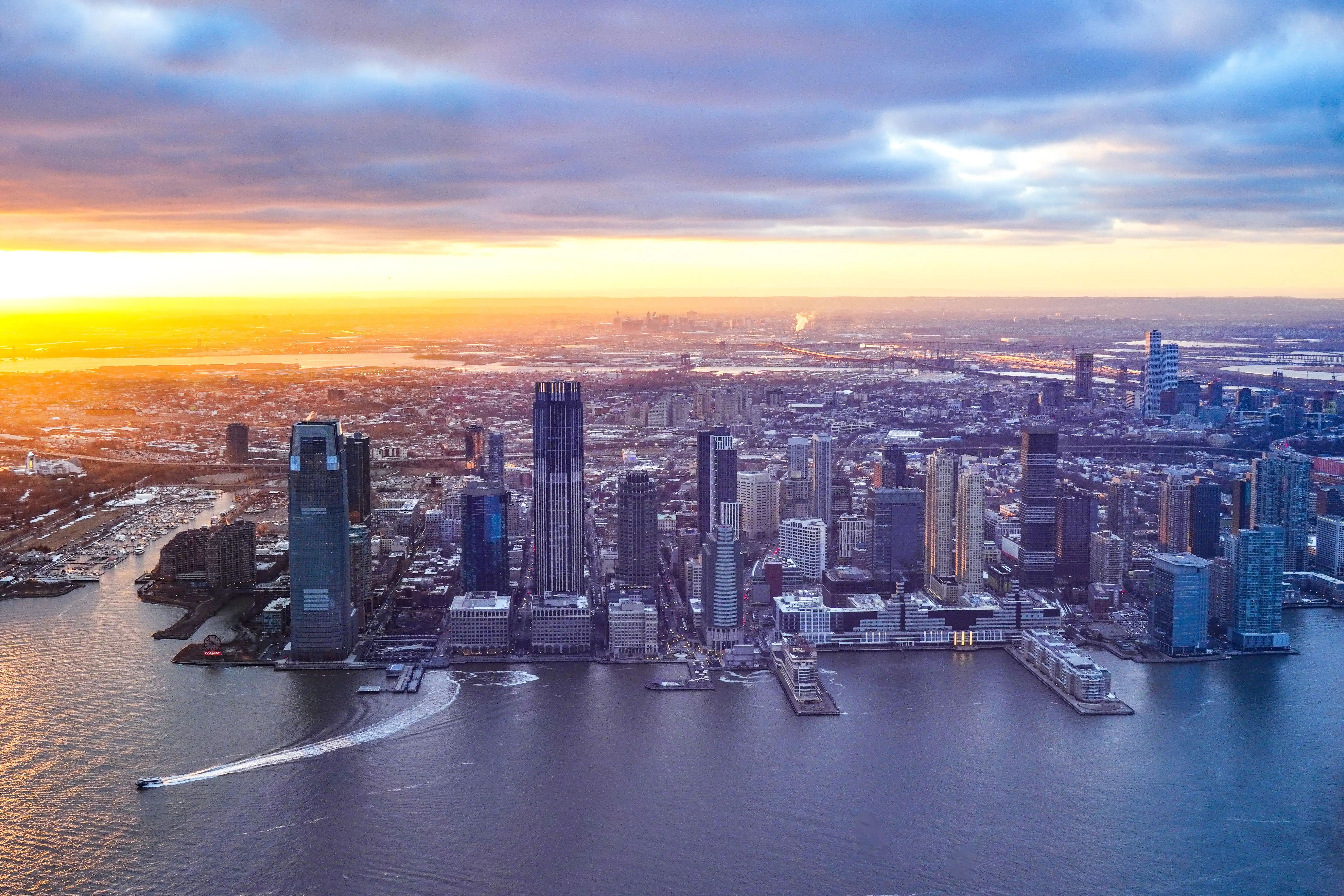
Part of the explanation lies in the range of experiences renewed each season. For a short break, the helicopter flight over New York condenses into twenty minutes what would take two days on foot. From the air, Manhattan’s real scale becomes clear: the silhouette of the Empire State set against the Hudson, Central Park turned into an absurd green rectangle among skyscrapers, the Statue of Liberty tiny from above and One World Trade Center shining in the afternoon light. Not to mention the suspension bridges that look enormous from the ground and, from the sky, resemble engineering models placed over the East River. Some Spaniards repeat the trip for that view alone.
Direct flights from Spain make everything easier
Fifteen years ago, flying to New York from Spain involved stopovers in London or Lisbon. Today things have changed completely. Madrid and Barcelona have direct flights operated by airlines from the United States and Spain. The journey takes between eight and nine hours. That makes New York a destination almost as accessible to Spaniards as Istanbul or Marrakech. And with prices that, in the low season, can fall below 400 euros return if you look in good time.
El Prat and Barajas have become direct launchpads to JFK and Newark. That connectivity explains much of the constant flow of Spanish tourists who choose the Big Apple even for breaks of five or six days.
Manhattan from the air changes the way the city is understood
Anyone who has flown over Manhattan by helicopter always says the same thing: from above, everything fits together. Neighbourhoods that seem chaotic on foot reveal their urban logic when seen from three hundred metres up. The helicopter takes off from Downtown heliports or from New Jersey and, within minutes, you are seeing the whole skyline. The Hudson River acts as a mirror for the skyscrapers on clear days.
And the typical route passes over the financial district, turns towards the Statue of Liberty, skirts Governors Island and returns flying over Midtown. For Spaniards who arrive with only a few days available, it is a way of taking in the whole city in a short time.
New York cuisine appeals to the Spanish palate
This is no small matter. Spaniards travel with their stomachs. And New York has a gastronomic offering that competes with any European capital. From falafel stalls in the Village to fine-dining restaurants on the Upper East Side. Pizza by the slice at Joe’s remains an essential stop. But what really draws people in is the variety. Korean food in Koreatown, authentic tacos in the Barrio, dim sum in Chinatown. All within metro distance.
Spaniards discover that their tapas culture has a distant cousin in New York food halls such as Chelsea Market. You sit down to try four different things in half an hour and leave with the feeling that you have travelled through ten countries.
Culture as the perfect excuse to return every year
The MoMA, the Met, the Guggenheim, the Whitney. But also Broadway, jazz in the Village, Chelsea galleries and Bushwick murals. New York renews its cultural offering at a pace no European city can match. Every season there is a new exhibition that justifies the trip. And Spaniards take advantage of it. Spanish cultural tourism to New York has grown steadily. It is not only the big museum. It is the Off-Broadway show you discovered by chance, the second-hand bookshop on the Strand, the antiques market in Hell’s Kitchen on an autumn Sunday.
New York does not wear out because every neighbourhood is a different city
Tribeca has nothing to do with Harlem. Williamsburg is unlike Astoria. And the Lower East Side continues to change every three years. That is what draws people in. A Spaniard can go five times and get to know five different cities on the same island. Tourist guides show a third of what is there. You will find the rest walking without a map along streets you did not google beforehand.
That sense of constant discovery means flights from Barajas and El Prat continue to fill up season after season. New York does not run out. It transforms. And Spaniards understand that well.