
News
Why organisation is key in professional kitchens
A chaotic kitchen can turn even the best service into an operational disaster. Disorder affects the speed of service, compromises profitability, food safety, and the diner's experience. In the competitive world of restaurants, keeping a kitchen organised determines which businesses thrive and which struggle to survive.
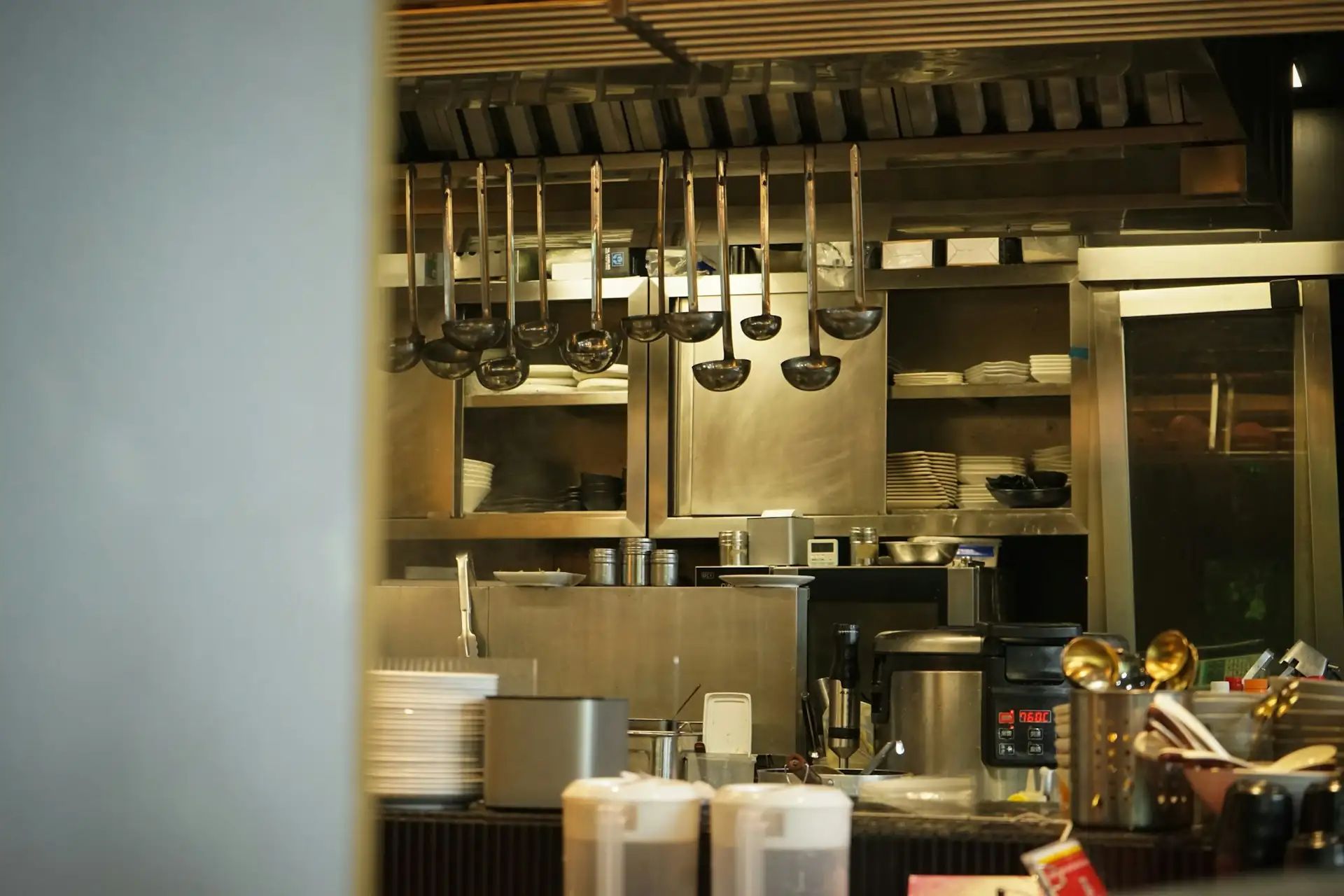
Why an organised professional kitchen makes a difference to your business
Effective organisation completely transforms how a restaurant operates. When every item has its specific place and processes flow without interruption, the team can focus on creating extraordinary dishes. This structure eliminates errors at the source and improves communication between stations.
A well-planned space also conveys professionalism to customers, suppliers and health inspectors. It is a silent statement of commitment to quality.
The final quality also depends directly on the equipment used and on how it is integrated into an organised system. In professional kitchens where large volumes of stock, sauces or stews are prepared, using Maxima industrial kettles makes it possible to maintain constant temperatures and standardised processes, ensuring consistency in flavour and texture.
The direct impact of organisation on operational efficiency
Reduced preparation and service times
During service, every second counts. An orderly kitchen eliminates desperate searches for ingredients or utensils. Ingredients categorised by type and frequency of use speed up plating. This makes it possible to keep pace during peaks in demand without sacrificing quality.
Optimising workflow between stations
Intelligent design connects stations naturally, reducing unnecessary movement between cold, hot and plating areas. This flow prevents bottlenecks and keeps speed constant without compromising precision.
Making the most of the available space
Professional kitchens rarely have spare square metres. Vertical storage systems, dedicated shelving and standardised containers multiply available capacity. You can keep a wider variety of ingredients close at hand without creating a feeling of overcrowding.
How organisation reduces operating costs
Minimising food waste
The PEPS (first in, first out) method is impossible without rigorous organisation. Labelling products with arrival dates and rotating stock correctly prevents ingredients from expiring forgotten at the back of cold rooms. This practice directly protects your margins by preventing losses from spoilage.
Effective inventory and stock control
Knowing exactly what you have, where it is and in what quantity prevents duplicate purchases. A clear visual inventory allows you to spot shortages before you run out of critical ingredients during service. This stabilises variable costs.
Less wear on equipment and materials
Properly stored utensils last longer. Protected knives retain their sharpness, appropriately stored pans avoid dents, and electrical equipment in ventilated spaces minimises overheating that shortens its service life.
Organisation as a guarantee of food safety
Preventing cross-contamination
Physically separating areas for raw and cooked food is your first defence against food poisoning. HACCP standards are clear: facilities must be designed with a linear product flow that prevents contamination from raw to cooked food, ensuring one-way movement of materials and personnel.
Proper separation between raw materials and ready-to-eat foods must physically separate areas for raw ingredients if this is essential for safety. Colour-coded boards, dedicated knives for each protein and designated areas complement this physical separation, drastically reducing bacterial risks.
Compliance with health regulations
Inspections rigorously assess cleanliness and organisation. HACCP systems require documented prerequisite programmes that separate chemicals from food areas, ensuring that equipment layout supports hygiene. Clear surfaces, labelled products and clean equipment make it easier to pass audits.
Establishments must implement flow diagrams that map zoning from reception to service, verifying organisation in order to identify and control contamination risks related to spatial layout.
Traceability and control of expiry dates
Tracking the origin of every ingredient and monitoring expiry dates makes it possible to react quickly to health alerts. This detailed record also demonstrates responsibility to authorities during inspections.
The role of organisation in the quality of the final product
Consistency in preparing dishes
Customers expect their favourite dish to taste the same every time. An orderly kitchen standardises processes and makes it easier to follow recipes precisely. This consistency builds reputation and retains diners.
Optimal maintenance of ingredients
Properly stored ingredients retain their properties better. Appropriate temperatures, protection from light and controlled humidity preserve flavours, textures and nutritional values that determine final quality.
Standardising culinary processes
Documented procedures and organised spaces simplify training new staff. This standardisation ensures that any member of the team prepares dishes according to the same established quality parameters.
Benefits in managing the kitchen team
Reducing workplace stress
Chaos creates unnecessary tension. Working in orderly environments where everything makes logical sense reduces frustration and anxiety. Less stressed teams make fewer mistakes, show a better attitude and stay longer.
In multi-location operations, optimising organisation can generate measurable improvements. By implementing detailed analysis of sales by hour and location, a chain of five venues was able to adjust schedules and reduce overtime, cutting labour costs by 10 percentage points of sales. These adjustments improved profitability and reduced the burden of excessive work.
Improving communication between staff
Defined roles, clearly demarcated stations and understandable systems make precise instructions easier during service. This clarity prevents misunderstandings that affect timing and quality.
Makes it easier to train new employees
New cooks learn more quickly when systems are intuitive. Logical locations and clear processes reduce learning curves, allowing new staff to contribute productively in less time.
Consequences of a disorganised kitchen
Loss of profitability and increased costs
Disorder drives up costs at the same time: wasted ingredients, prolonged services, unnecessary overtime and duplicate repurchases erode margins until they become unsustainable. Food costs account for 43% of profitability challenges for restaurants, while labour consumes between 30% and 96% of expenses, making any inefficiency critical.
Problems with quality and customer experience
Inconsistent dishes, excessive waits and frequent mistakes generate devastating reviews. In the digital age, a bad experience is quickly amplified, damaging a reputation built over years.
Health and legal risks
Failing to comply with health regulations can result in fines, temporary closures or the permanent loss of licences. These legal risks threaten the entire viability of the business beyond simple financial penalties.
Fundamental principles of effective organisation
Strategic zoning by type of activity
Dividing the kitchen into specific functional areas (receiving, storage, cold preparation, cooking, plating) optimises movement and minimises interference between simultaneous tasks. This zoning must take account of health requirements demanding one-way flow and physical separation between processes to prevent cross-contamination.
A system for the logical placement of tools and equipment
Placing tools close to where they are frequently used saves countless daily steps. Cooking utensils next to cookers, knives near chopping boards, spices within reach during preparation. Every decision adds up to efficiency.
In addition, choosing specialised suppliers such as Maxima.com makes it easier to access solutions designed specifically for professional environments, where precision and efficiency are fundamental to maintaining high quality standards.
Maintaining routines of order and cleanliness
Establishing daily cleaning protocols prevents the progressive build-up of disorder. Cleaning while you cook, rather than only at the end of the shift, maintains consistent standards without extraordinary effort.
Keys to maintaining organisation in the long term
Sustaining organisation requires the ongoing commitment of the whole team. Regular training reinforces best practices, while periodic reviews identify opportunities for optimisation. Assigning specific people responsibility for keeping areas organised distributes this task efficiently.
The implementation of organisational systems varies considerably according to the size of the establishment, the available budget and the type of kitchen. A fine-dining restaurant with 50 covers requires different approaches from a production kitchen serving 500 meals a day. Adapting organisational principles to your specific reality is fundamental to achieving sustainable improvements.
Organisation is not a final destination but a continuous process that evolves with the changing needs of the business. Celebrate improvements and recognise efforts to motivate staff to maintain high standards.